

Psychology Of Responsible Gaming Empowers Mindful Players
When an online casino builds features that respect how people really think and behave, the platform, and frankly the players, both win over time. You can see it in daily site choices, from how registration flows are designed to what kind of bonus is offered. I checked a few ratings and one caught my eye recently, SpinBet rating, because it highlighted responsible gaming tools as a key part of overall experience. It’s not just marketing copy when a site provides real limits and clear nudges, it changes how folks play, how they feel afterwards.
Why Mindful Play Matters
There is a simple human truth behind the mechanics: loss and excitement trigger the same brain reward pathways, so a slot’s flashing lights and sound design are not neutral, they are persuasive. Mindful play, in this sense, means bringing attention to patterns that often go unnoticed, like escalating stakes or chasing losses. A casino that acknowledges this, by making limits easy to set or by showing realistic winning odds, helps people make choices that align with their intentions. It’s subtle, but powerful.

Tools And Features That Help
Practical tools are where psychology meets product. Things like deposit caps, session time reminders, loss limits, and transparent wagering requirements are not just safety features, they are cognitive supports. They help reduce decision fatigue, they interrupt automatic reactions. I find it interesting that some players initially resist limits, then later thank the platform when it prevented an impulsive spin. That kind of turnaround says a lot about framing and timing.
Designing Safer Play Environments
Responsible design is not about making things boring, it’s about honest cues, and balanced rewards. Casinos that declutter the UI, avoid excessive sound cues, and clearly separate promotional content from game mechanics, reduce the chance of inadvertent overplay. In my experience, when signup flows ask for realistic verification early, they filter out those who might be trying to dodge limits, and that benefits the community overall. It’s a tradeoff, I admit, because more friction can reduce registrations, but in the long run, trust grows.
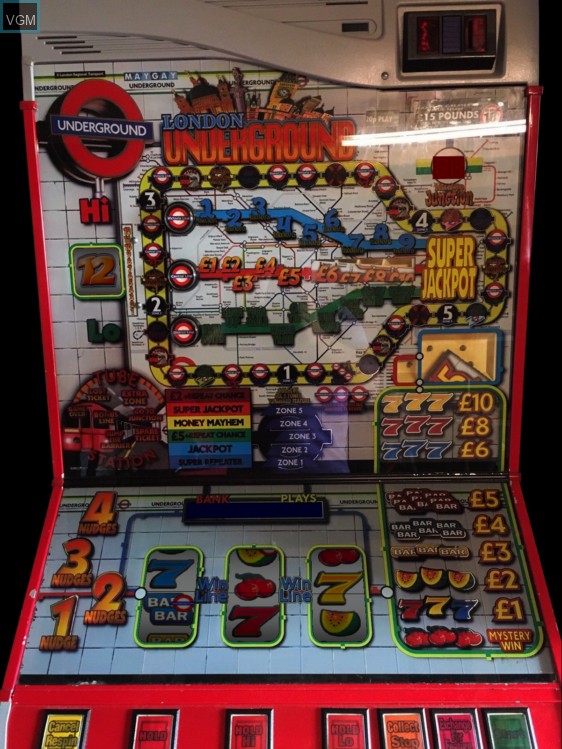
Player Habits And Decision Making
Habits form quietly. A free spins bonus looks attractive, and suddenly you’re playing at three in the morning, not because you wanted to, but because the autoplay and rewards nudged you there. That is where platform choices matter: autoplay options that default to off, clear win/loss statements, and straightforward cashout options give players back agency. I think many operators genuinely want to support players, but incentives can get mixed signals. A casino that balances promotional offers with clear guardrails shows maturity.
Registration, Bonuses And Friction
Registration is the moment of truth. Too easy, and abuse follows, too strict, and you scare away casual players. Smart platforms build a middle path: streamlined onboarding that still collects essential verification and offers optional self-check tools. Bonuses are another tricky area, they can be generous, sure, but if the wagering terms are obscure, the psychology of loss creeps back in. Clear, plain-language terms, and optional smaller bonuses tied to cool-down periods, can reduce impulsive chasing, while still delivering excitement.
Payments and payouts are part of the trust equation too. Fast, transparent withdrawals signal that an operator values its players, not just short-term revenue. When a platform delays or complicates payments, it increases stress and drives poor decisions. So, when assessing an online casino’s player experience, look beyond flashy slots and big sign-ups, check how straightforward the banking and support really are.
Conclusion: Responsible gaming is practical psychology applied to product design, promotion, and payment flows. It is about creating spaces where players can enjoy slots and bonuses with clarity and control, where registration, limits, and payouts are aligned with long-term trust. Platforms that do this well do not just protect people, they cultivate more sustainable player relationships. I like to think that a mindful casino is also a better casino, even if it sometimes feels like adding a little friction, it often pays back in loyalty and better play.