
- Home
- Research
- Teaching
- Spring2026 – GIS for CE & SDGs
- Spring2026 – High Value Crops
- Introduction to GIS
- Geographical info System in CE
- Remote Sensing & Imaging
- Environ System Sciences
- Environmental Water Resources
- HIRES – GIS Mapping
- Workshop: CWCC-Data Science
- Workshop: Remote Sensing & GIS
- Workshop: GIS (QGIS/ArcGIS)
- RIWI – Digital Tools Module
- Gallery
- Publications
- Blogs
- About Me
Scaling Time and Borders: A Two-Week European Discovery and Balkan Road Trip (Sept–Oct 2025)
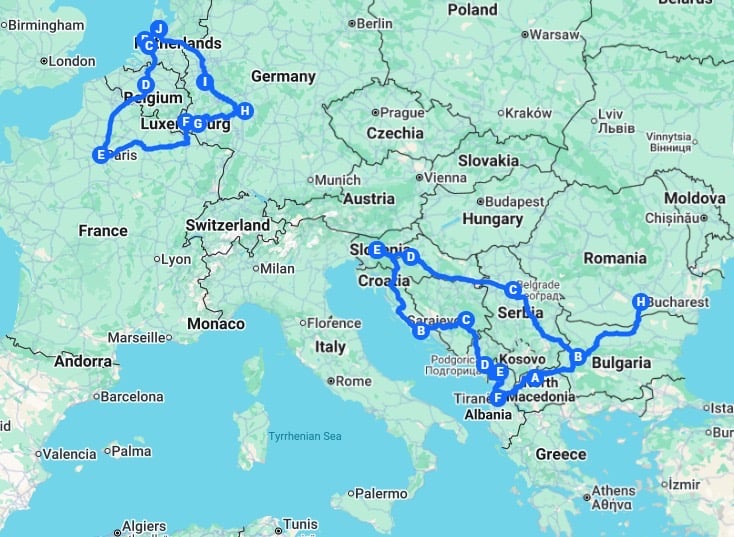
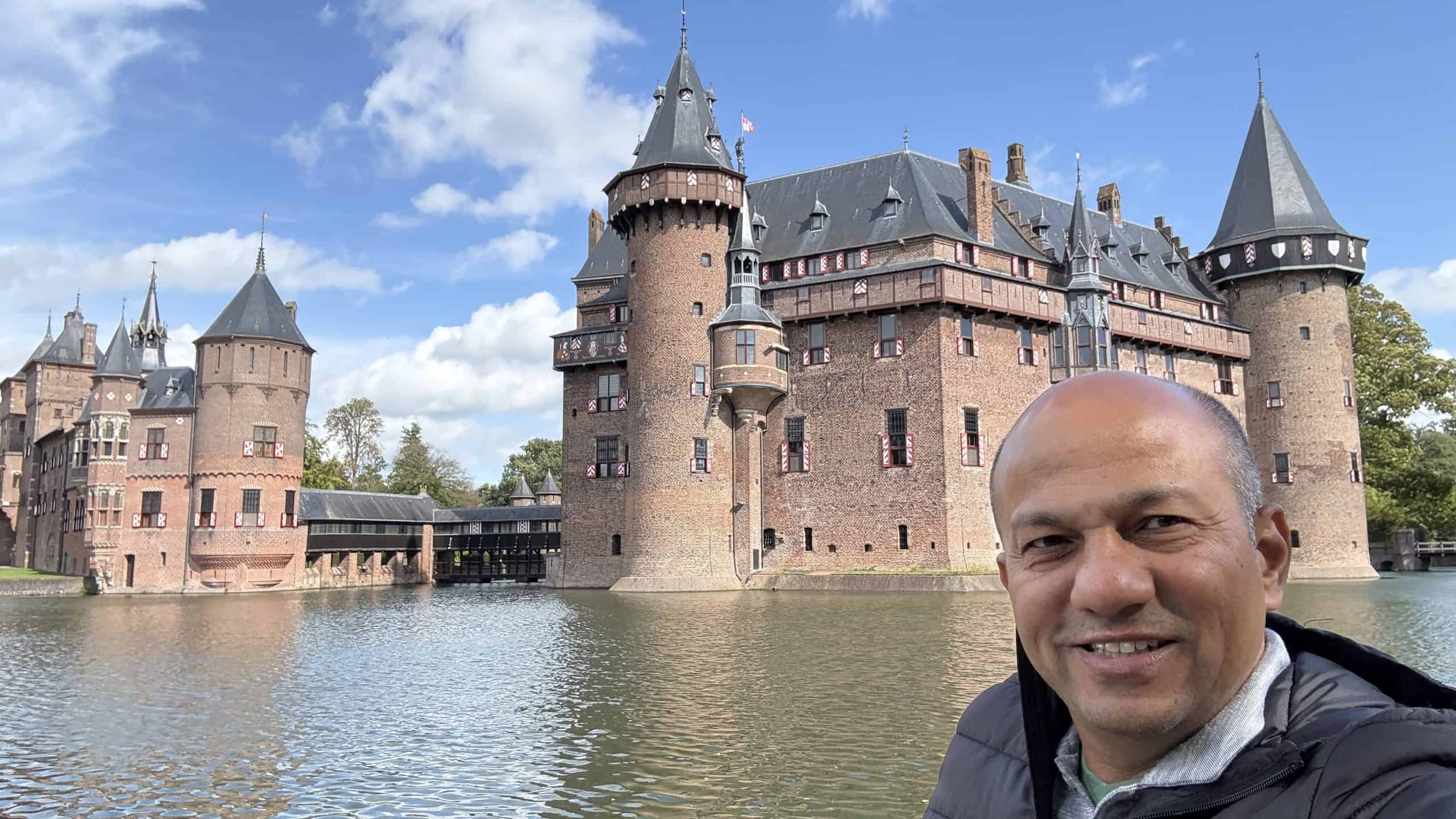
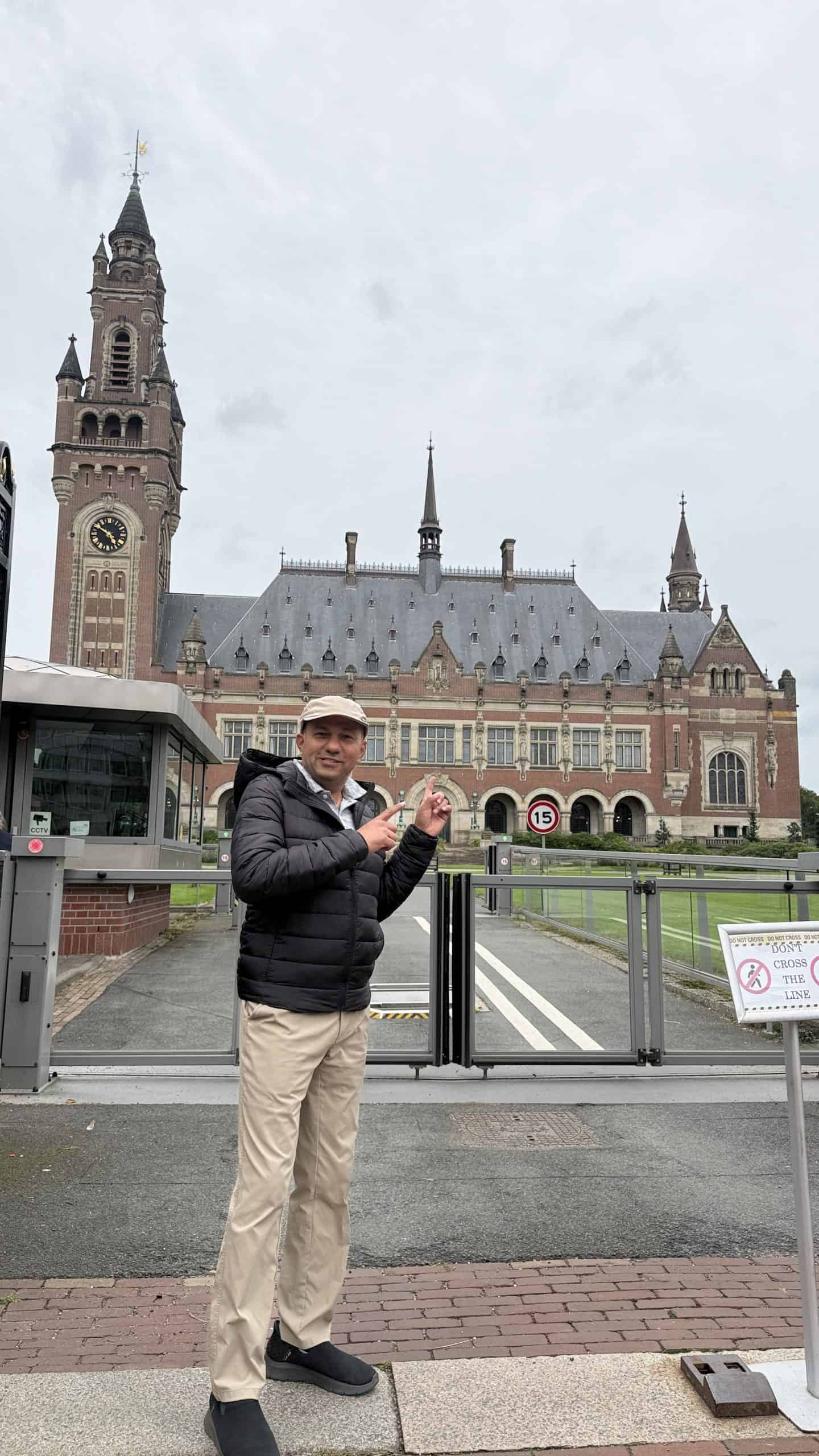
Travel is not just movement—it is a process of learning, unlearning, and rediscovering humanity. In September–October 2025, I, along with four friends, embarked on an unforgettable journey that began in Western Europe and continued into the heart of the Balkans. The trip offered a blend of culture, history, landscapes, and human connections that made every mile meaningful. Before entering the Balkans, I spent a wonderful and intense week traveling across the Netherlands, Belgium, France, Luxembourg, and Germany. From there, we flew into Belgrade to begin our road adventure. Every mile we rode brought new stories, new smiles, and new flavors. The warmth of strangers, the rhythms of local life, and the shared humanity across borders reminded me that learning humans is the most beautiful experience of all.
Day 1 — Fri, Sept 12 — Fly from JFK to Amsterdam: My solo journey began with an overnight flight from New York to Amsterdam. With excitement and curiosity, I set out alone, ready for a week of exploring Europe by bus. Traveling solo always sharpens the senses—every detail feels more vivid.
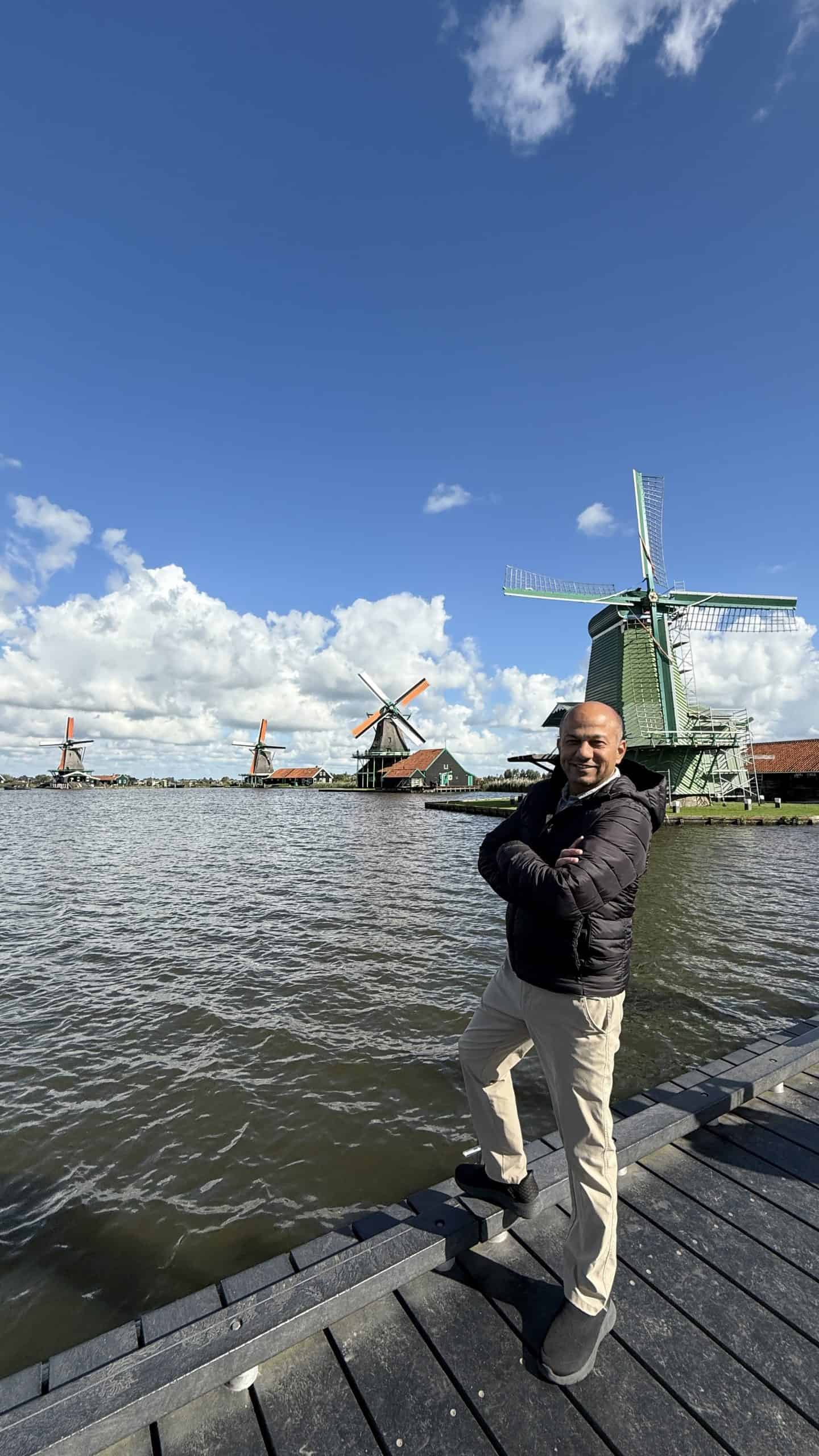
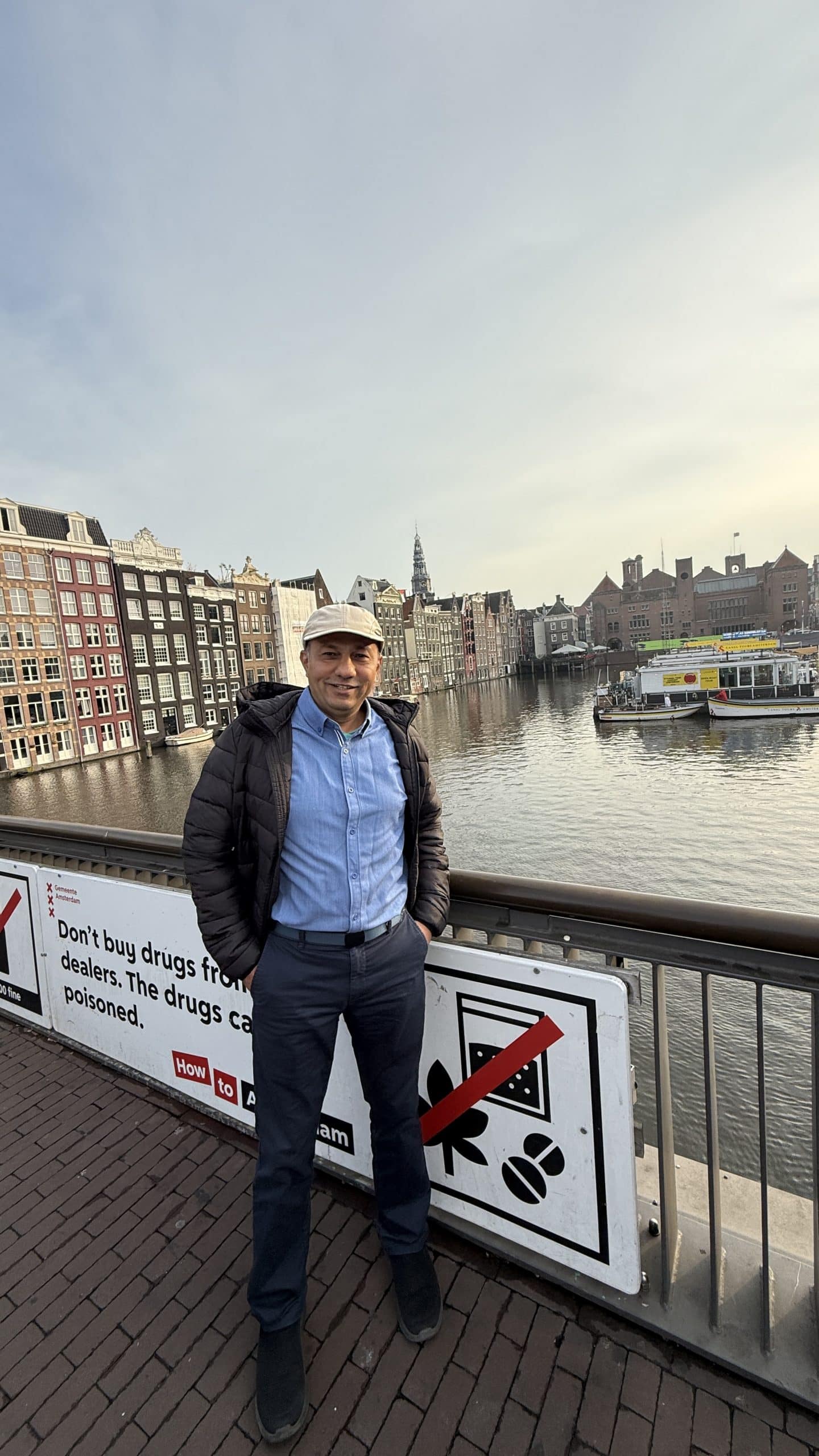
Day 2 — Sat, Sept 13 — Arrive in Amsterdam: Landing at 9 AM, Amsterdam welcomed me with its calm charm—canals, bicycles, and a gentle European pace. I spent the day wandering through narrow streets and waterfront paths, getting lost in the city’s effortless beauty. Amsterdam was the perfect soft beginning before the busy week ahead.
Day 3 — Sun, Sept 14 — Amsterdam to Antwerp (Belgium): I took a bus to Antwerp, a city known for diamonds and artistic heritage. Walking through its medieval squares and Gothic architecture felt like stepping into a living museum. The blend of history and modern energy made Antwerp especially captivating.
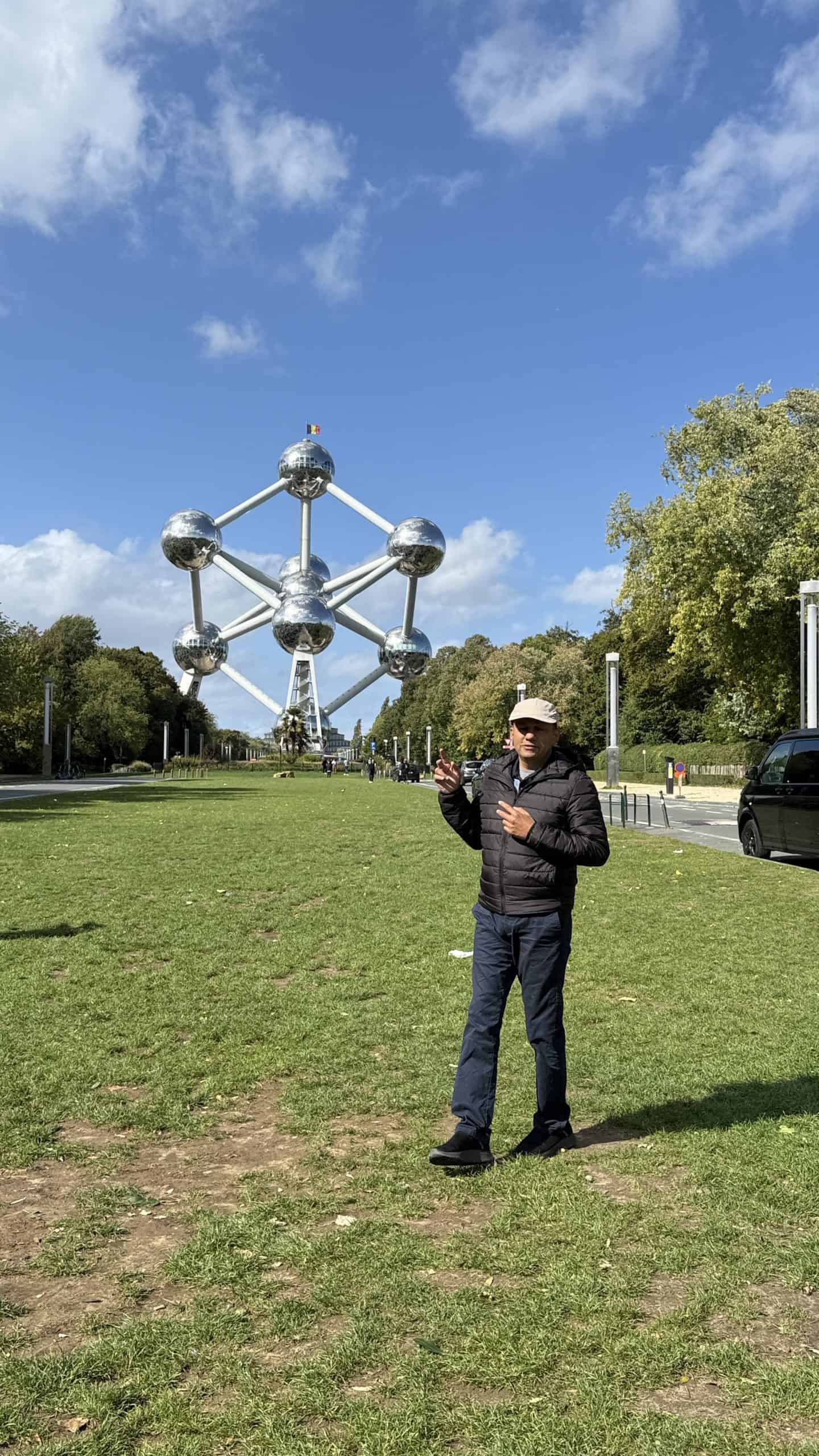
Day 4 — Mon, Sept 15 — Antwerp to Brussels, Stay in Soignies: Continuing alone by bus, I traveled to Brussels, exploring its iconic Grand Place and lively neighborhoods. Later, I continued to the quiet town of Soignies, where the slow pace and countryside charm offered a peaceful end to the day. It was a perfect contrast to Belgium’s big cities.
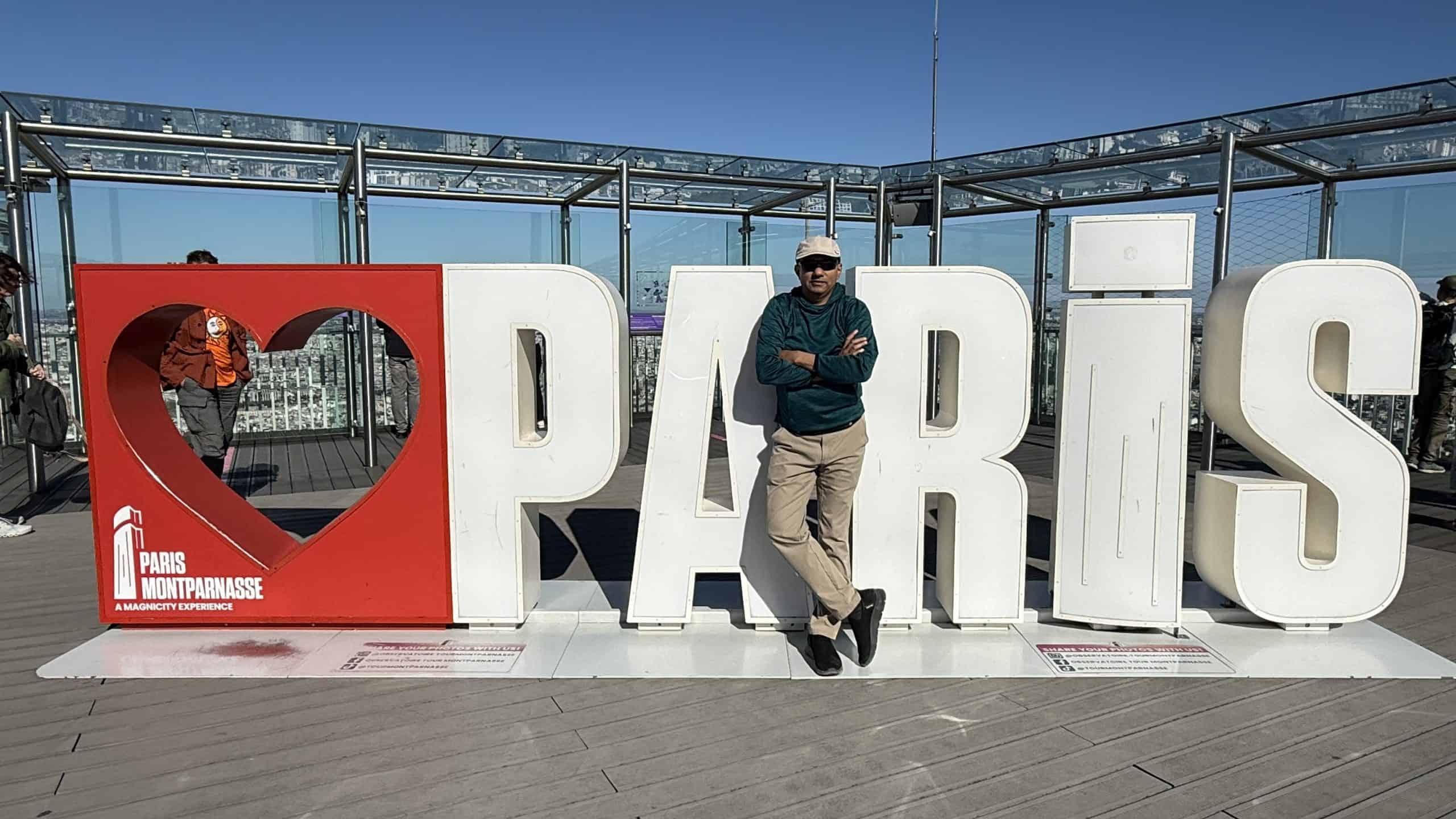
Day 5 — Tue, Sept 16 — Brussels to Paris: Crossing into France, I arrived in Paris, a city that never loses its magic no matter how many times you visit. The wide boulevards, street cafés, and timeless monuments felt both grand and comforting. Even traveling alone, Paris made me feel connected to its rhythm.
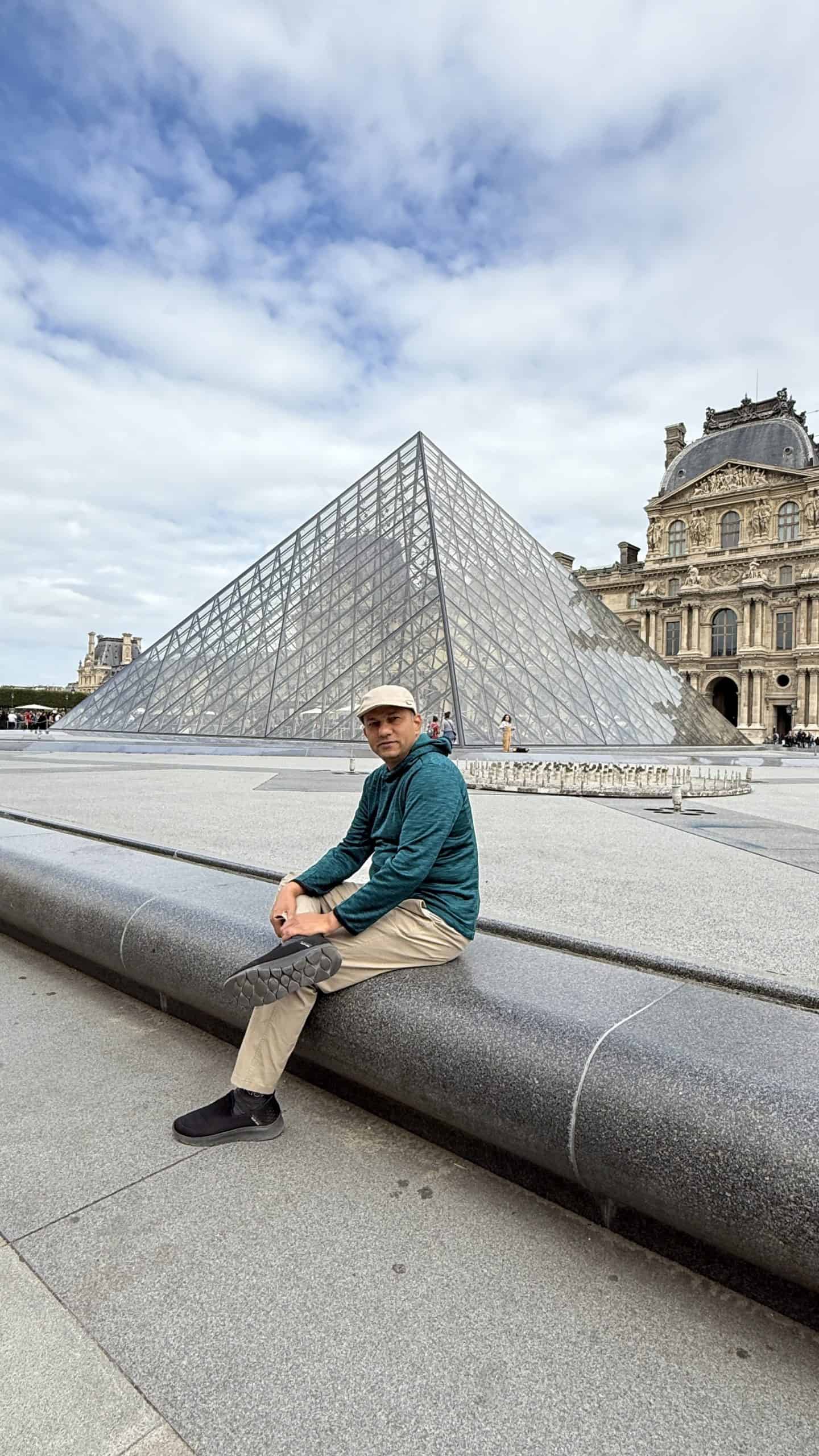
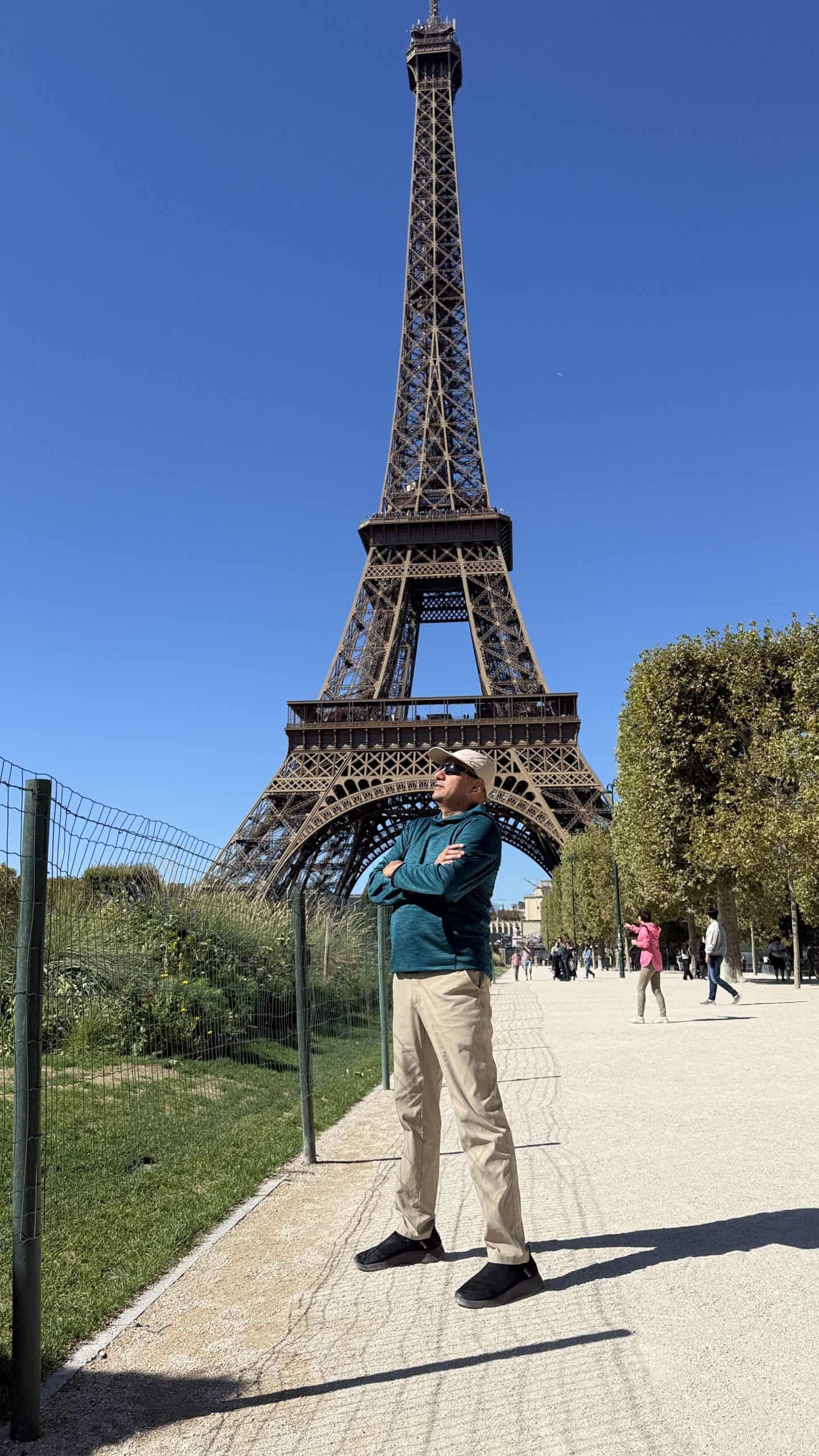
Day 6 — Wed, Sept 17 — Paris City Tour, Stay in Vélizy-Villacoublay: I spent the entire day exploring the highlights of Paris—Eiffel Tower, Seine River, Louvre, Champs-Élysées. Every corner held history, art, and life. By evening, I checked into Vélizy-Villacoublay, feeling accomplished and grateful for the unforgettable solo day.
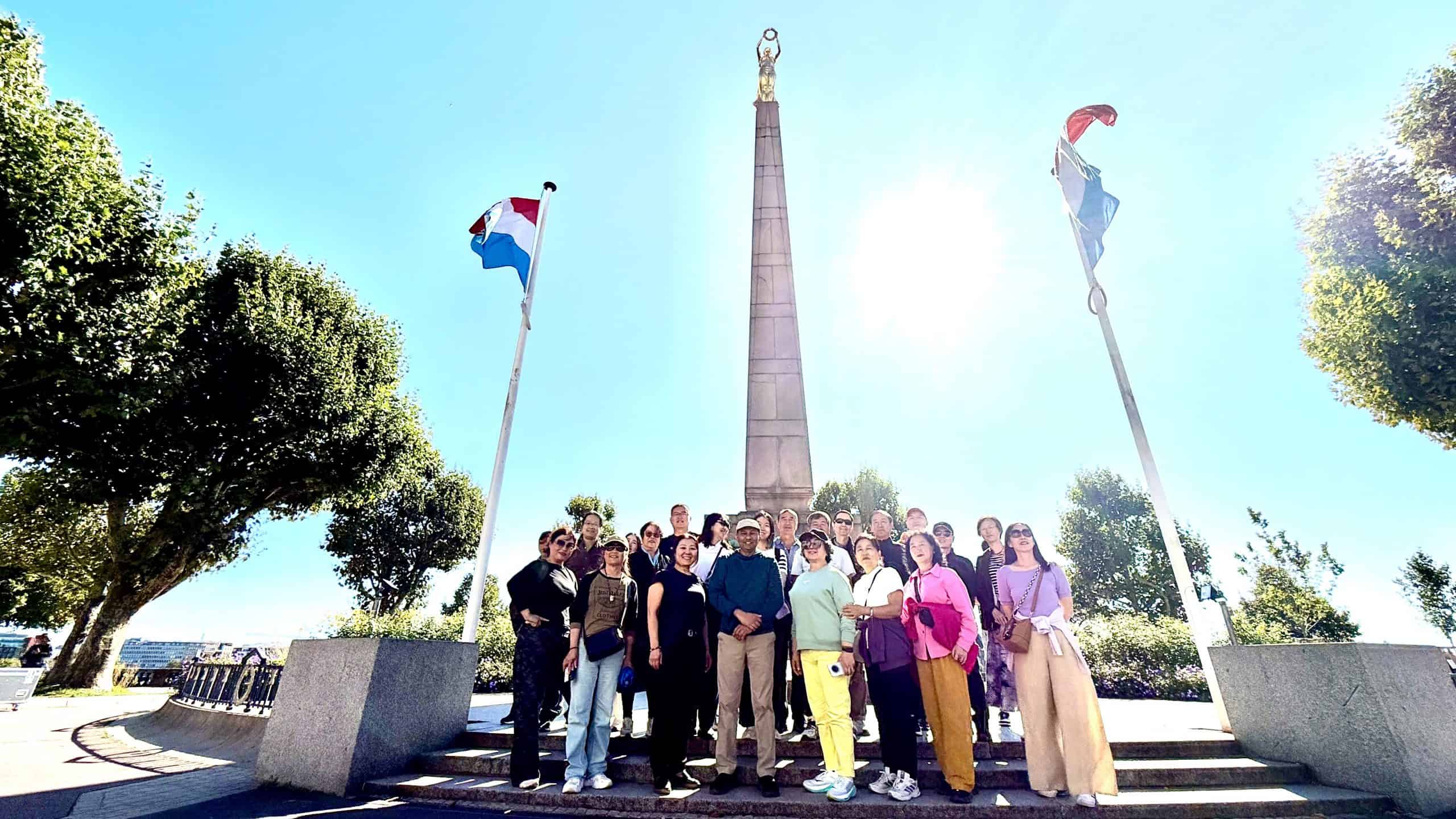
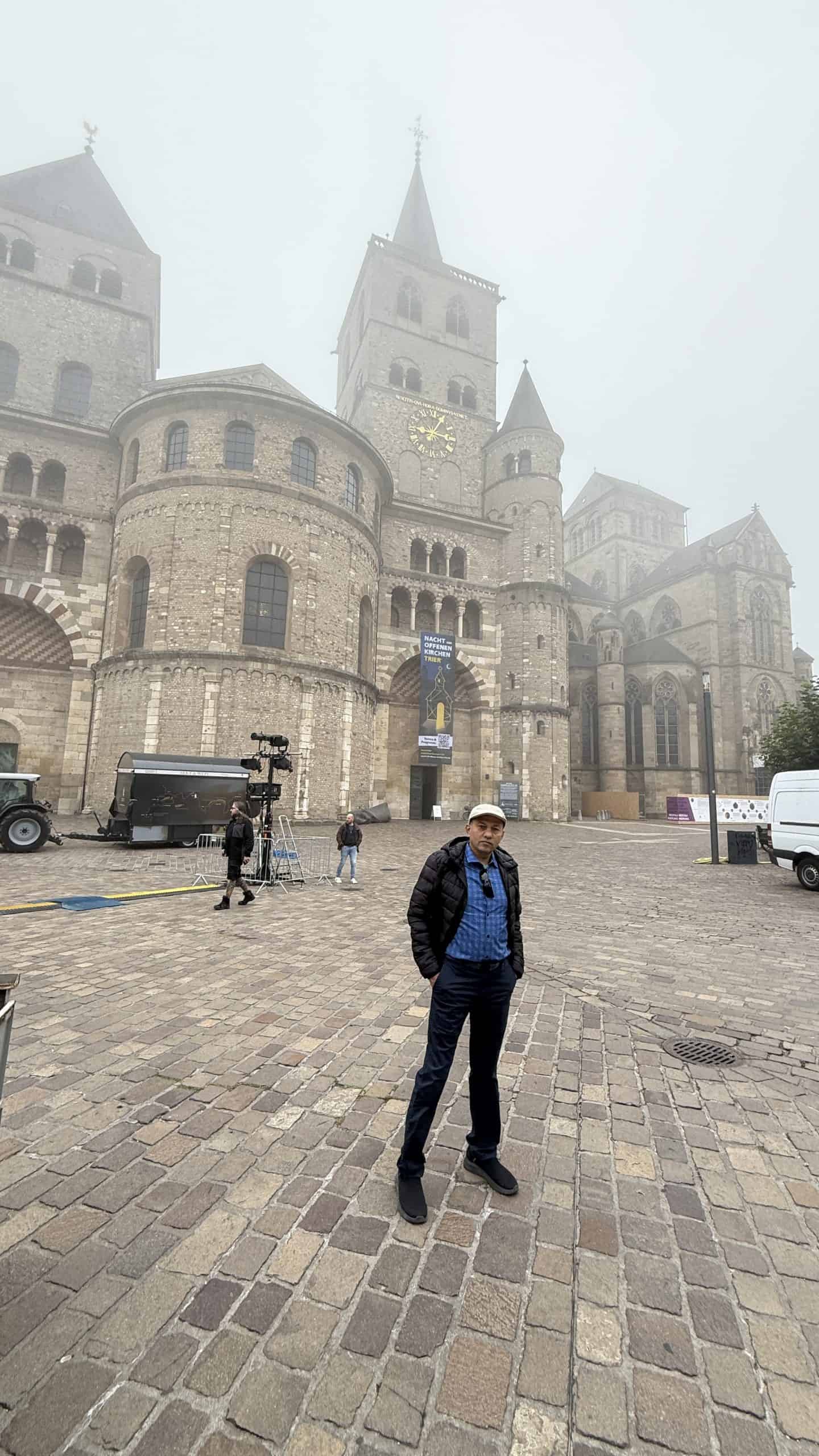
Day 7 — Thu, Sept 18 — Paris to Luxembourg, Stay in Trier (Germany): The bus journey eastwards took me through scenic landscapes into Luxembourg, one of Europe’s richest and smallest nations. After strolling around its old quarters, I continued onward to Trier, Germany’s oldest Roman city. The ancient ruins and quiet charm of Trier felt timeless.
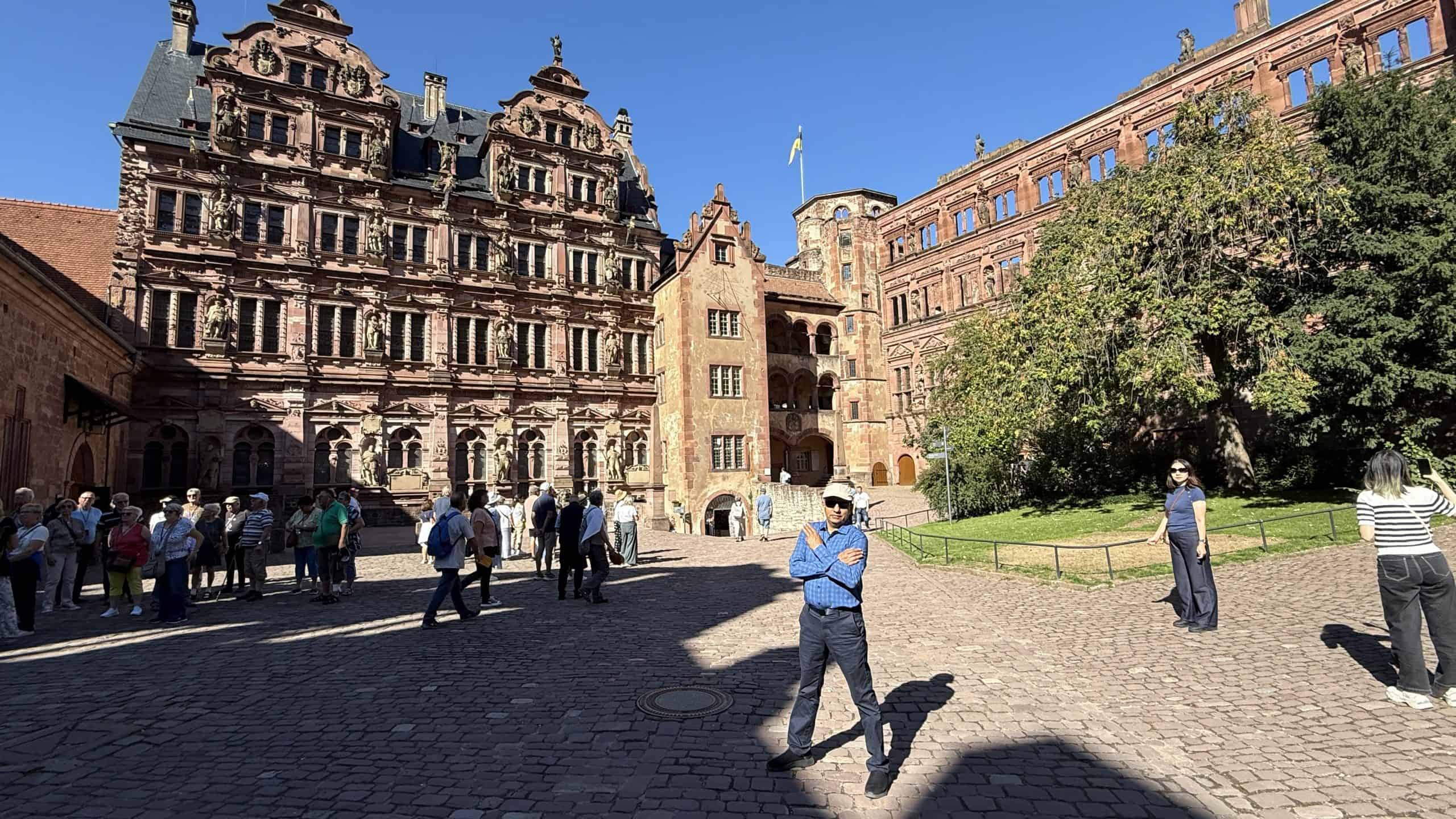
Day 8 — Fri, Sept 19 — Trier to Frankfurt via Heidelberg: Passing vineyards and castle peaks along the Rhine, I reached Heidelberg—one of Germany’s most romantic towns. After exploring the castle and old bridge, I continued to Frankfurt, a city where modern skyscrapers stand beside medieval streets. The mix of old and new made it a fascinating stop.
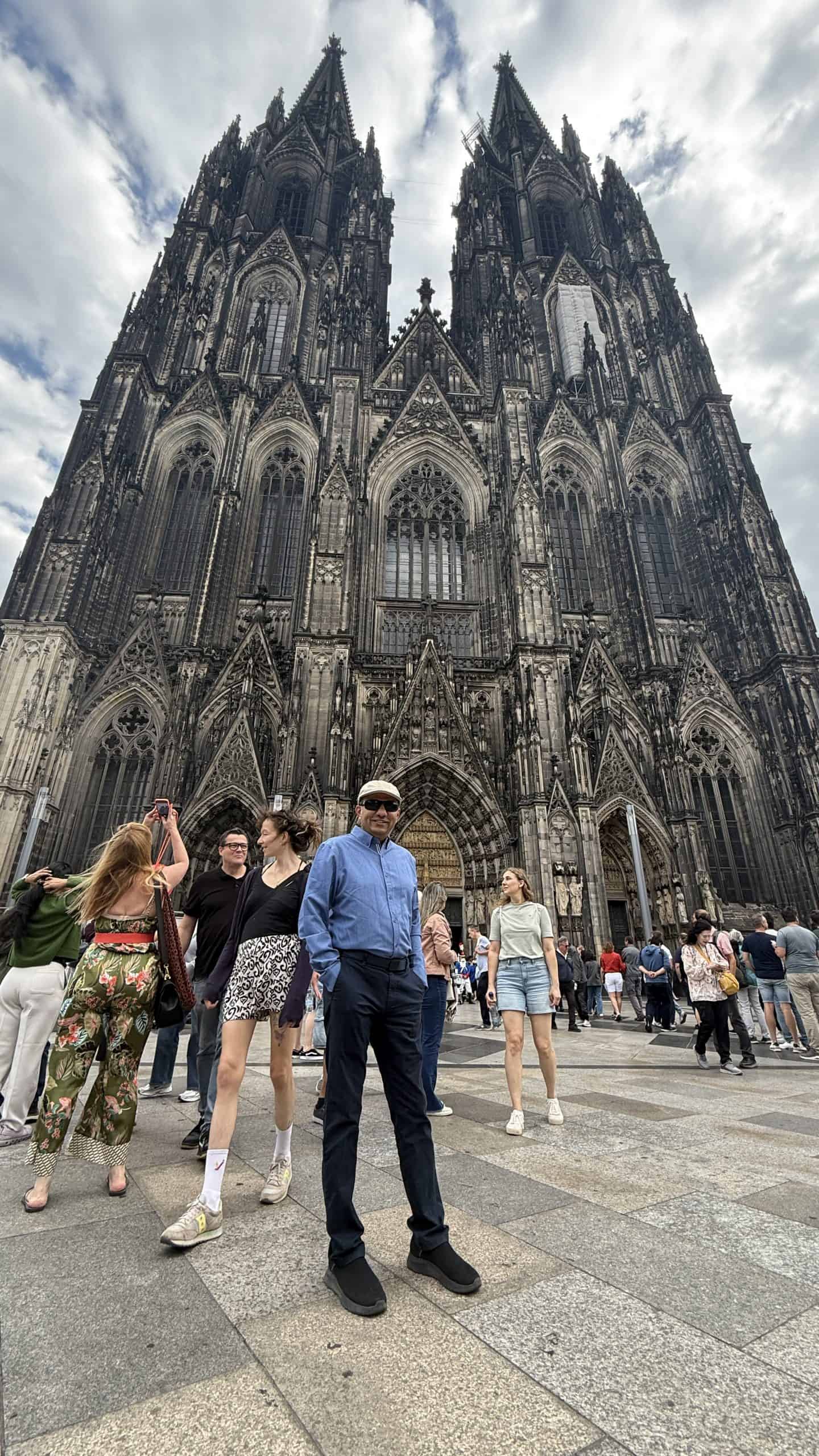
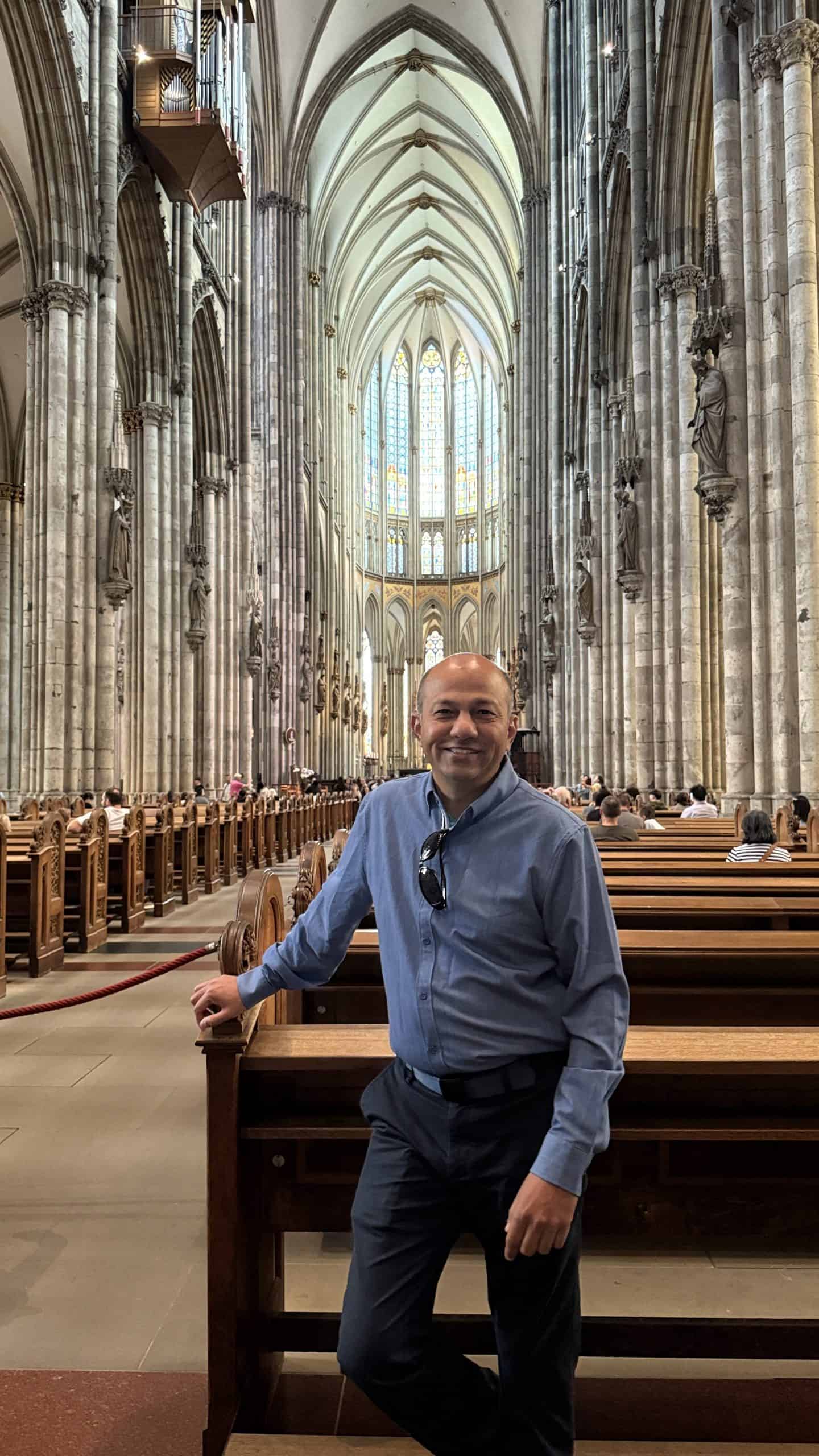
Day 9 — Sat, Sept 20 — Frankfurt / Cologne to Amsterdam: The final stretch of my solo bus trip took me to Cologne, where I briefly explored the magnificent Cologne Cathedral. By evening, I returned to Amsterdam, completing my week-long European loop. This solo journey gave me clarity, freedom, and countless personal moments.
Day 10 — Sun, Sept 21 — Fly to Belgrade, Serbia: I flew from Amsterdam to Belgrade in the morning, carrying the experiences of my solo week. Later that day, my friends joined me, and together we picked up our rental car—marking the start of our group adventure across the Balkans. The transition from solo explorer to team traveler felt energizing and exciting.
Road Trips with Friends:
Day 1 — Belgrade, Serbia (Sun, Sept 21): Belgrade, one of Europe’s oldest continuously inhabited cities, sits at the meeting of the Danube and Sava rivers. Romans built fortresses here, medieval kings battled for control, and the Ottomans and Austro-Hungarians fought repeatedly over this strategic gateway. Today, Kalemegdan Fortress still stands guard over a lively, modern capital—symbolizing Serbia’s resilience and layered past.
Day 2 — Zagreb, Croatia (Mon, Sept 22): Driving into Croatia reveals the region’s Central European soul. Zagreb’s Upper Town reflects medieval Slavic culture, while the Lower Town showcases Austro-Hungarian architecture. The wide boulevards, coffee shops, and trams make it feel like a smaller, calmer Vienna. Croatia’s journey—from medieval kingdom to Yugoslav republic to EU member—adds another dimension to Balkan history.
Day 3 — Ljubljana, Slovenia (Tue, Sept 23): Slovenia, once part of the Habsburg Empire, blends Alpine beauty with Balkan warmth. Ljubljana is charming, green, and artistic—its castles and riverside cafés reflecting a culture shaped more by Central Europe than the Ottoman influence found farther east. Slovenia’s peaceful independence in 1991 set the tone for its EU-focused future.
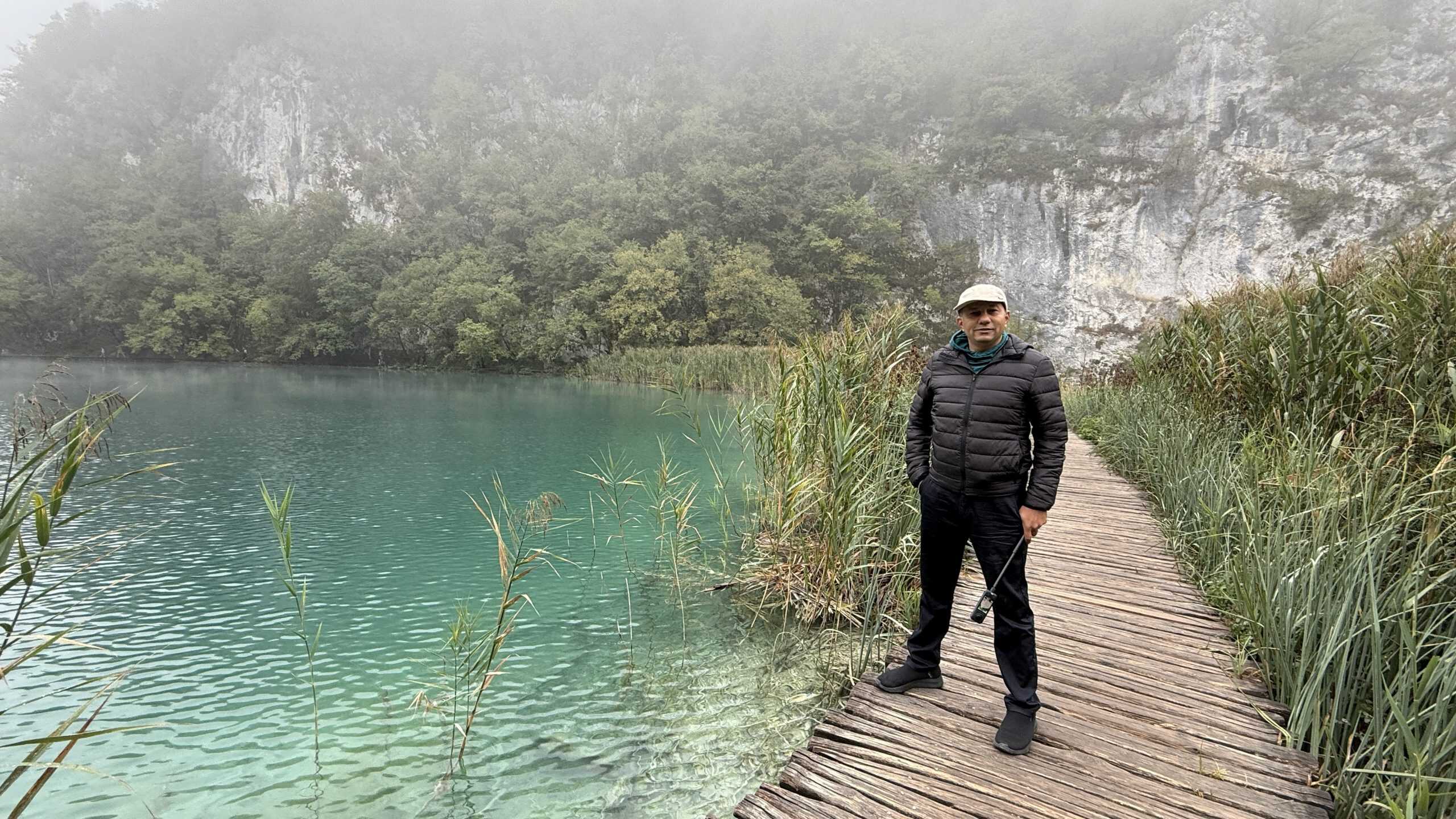
Day 4 — Split, Croatia (Wed, Sept 24): Returning to Croatia along the Adriatic leads straight into history. Diocletian’s Palace in Split, built by the Roman emperor around 305 AD, still forms the beating heart of the city. Locals live amid ancient colonnades and temples—it’s one of the world’s rare living Roman cities. Split tells a story of Roman empire, Venetian trade, and Slavic endurance.
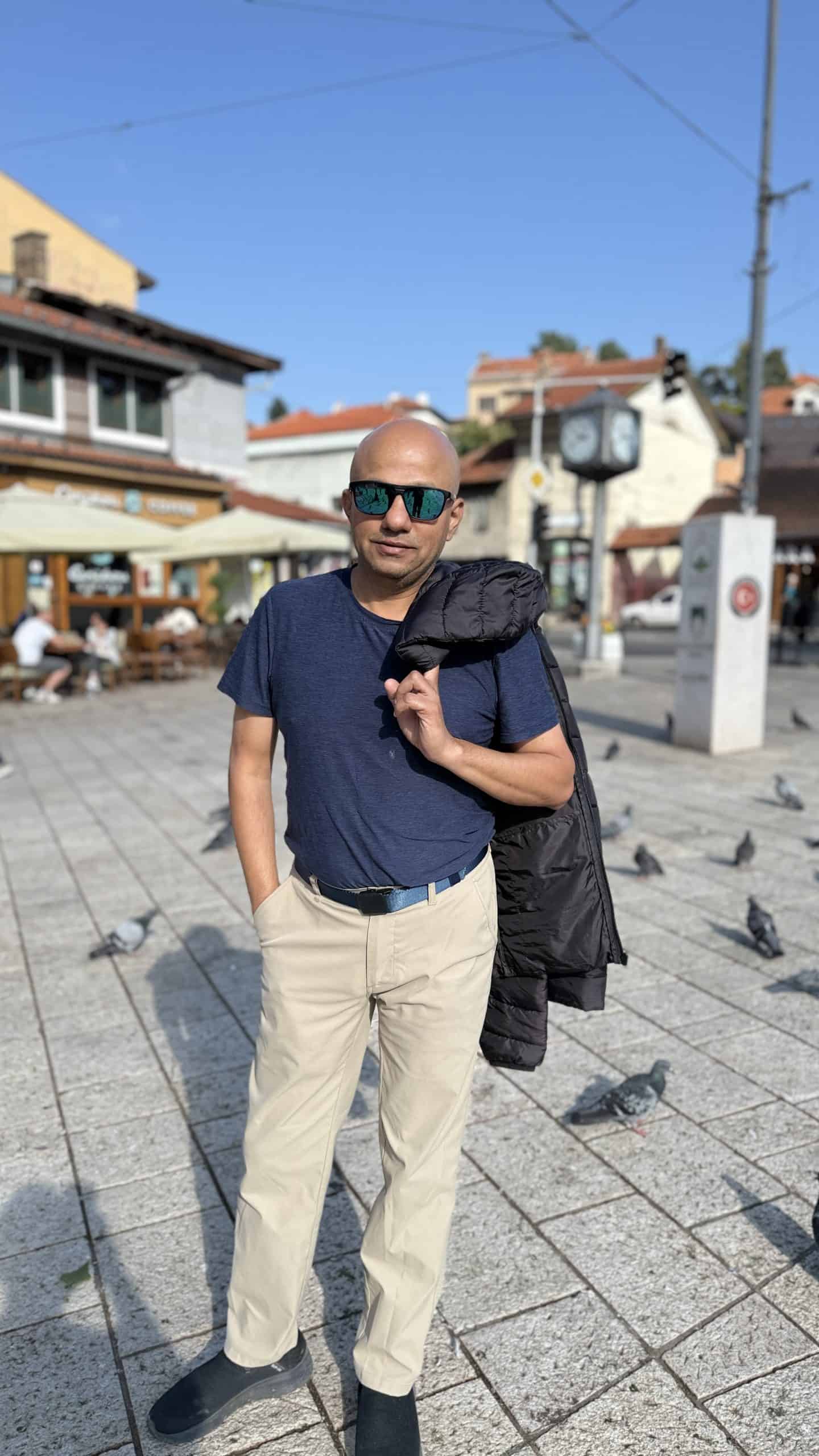
Day 5 — Sarajevo, Bosnia & Herzegovina (Thu, Sept 25): Few cities capture the essence of the Balkans like Sarajevo. Ottoman bazaars, mosques, Orthodox churches, Catholic cathedrals, and synagogues coexist within a small radius—a rare symbol of multicultural harmony. This is also where the assassination of Archduke Franz Ferdinand triggered World War I. The city’s 1990s siege scars remind visitors of its recent hardships, but its people radiate warmth and resilience.
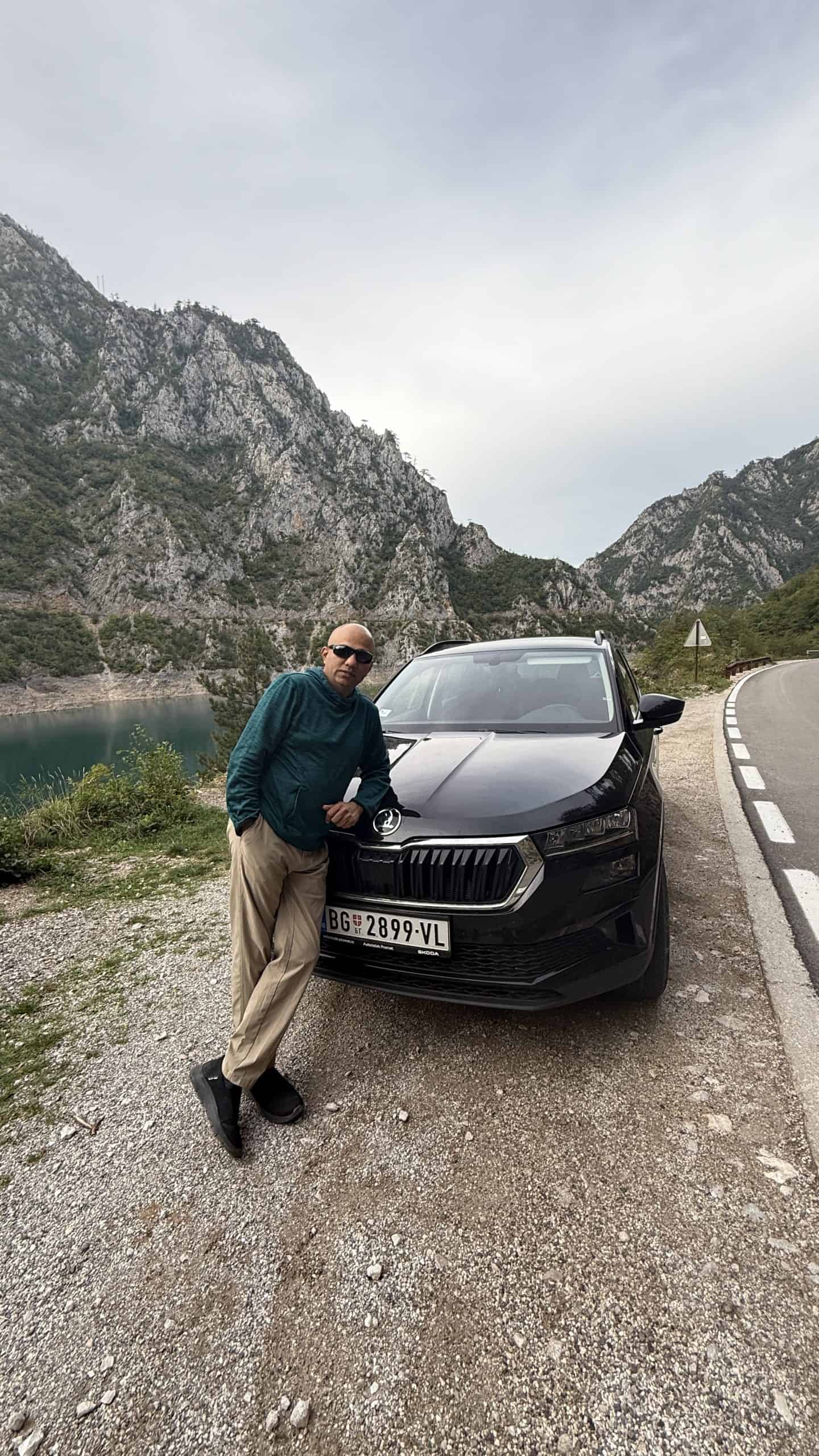
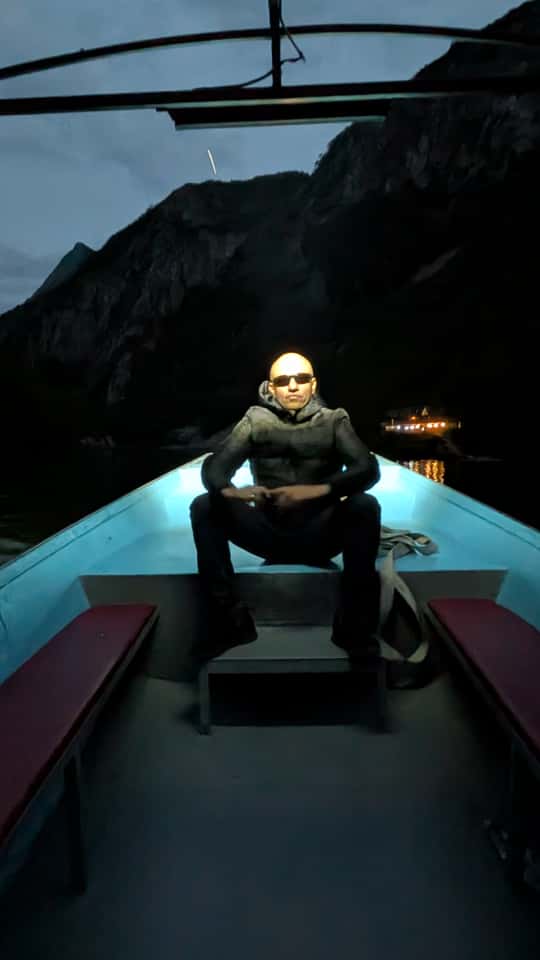
Day 6 — Dubrovnik / Podgorica, Montenegro (Fri, Sept 26): Dubrovnik’s walled Old Town stands as a fortress of history—polished stone streets, bell towers, and massive ramparts witness centuries of Venetian, Ottoman, and maritime legacies. Crossing into Montenegro reveals rugged mountains and dramatic landscapes. The country’s long tradition of independence from the Ottomans shaped a culture of courage and pride. Podgorica today reflects both its Ottoman and Yugoslav past.
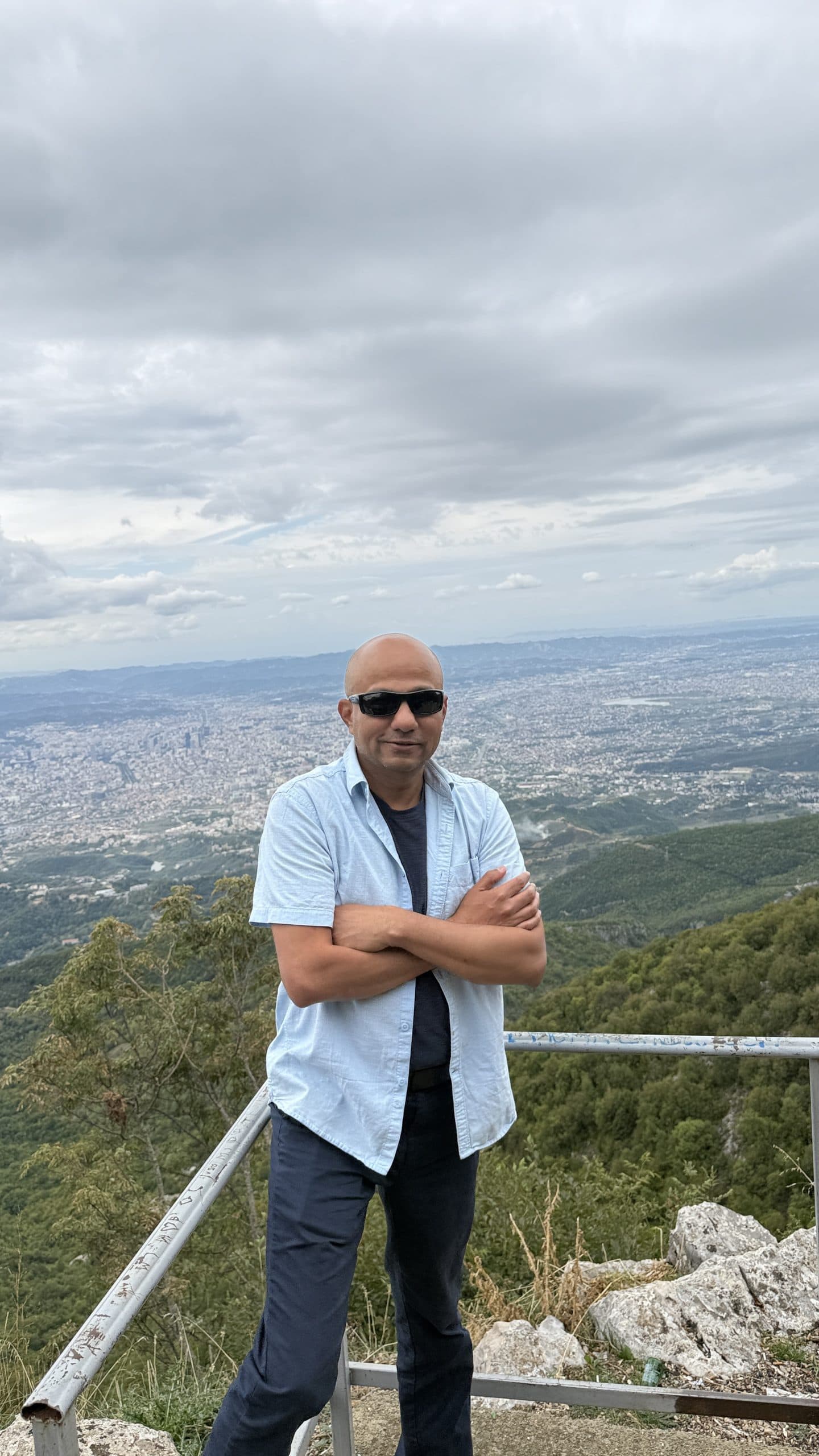
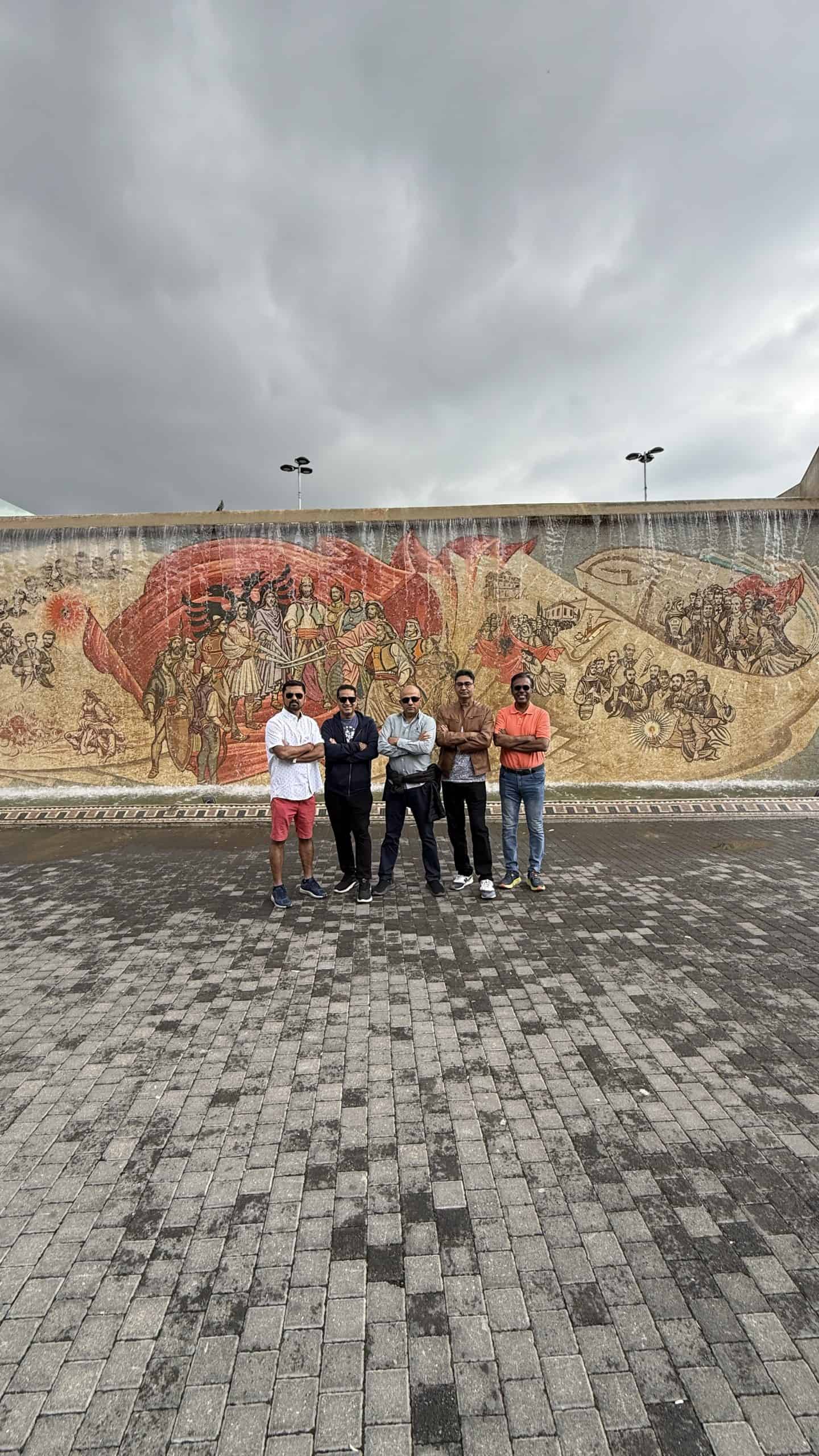
Day 7 — Tirana, Albania (Sat, Sept 27): Albania stands apart from its neighbors—its language and heritage descend from the ancient Illyrians, making it unique in the region. Tirana, once locked under Enver Hoxha’s communist rule, now bursts with color and new energy. Albania’s transformation over the last three decades is one of the most dramatic in the Balkans.
Day 8 — Skopje, North Macedonia (Sun, Sept 28): Skopje’s story spans Alexander the Great, Byzantine rule, Ottoman influence, and the Yugoslav era. The 1963 earthquake reshaped the city, and new monuments give it an eclectic appearance. The Old Bazaar carries a strong Ottoman flavor, while the new city center reflects Macedonia’s search for cultural identity.
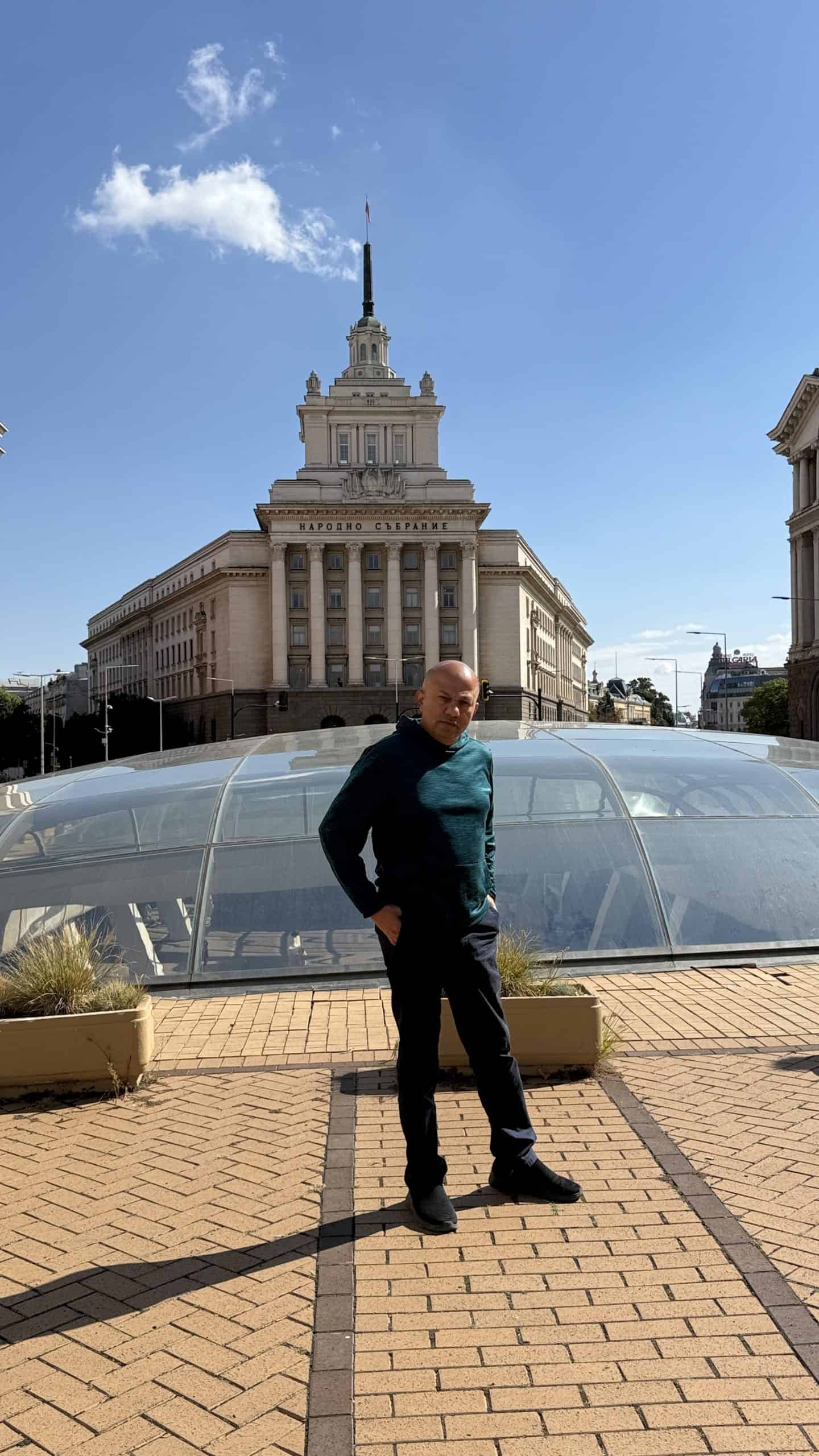
Day 9 — Sofia, Bulgaria — Extended Stay (Mon, Sept 29): We arrived in Sofia and decided to stretch the experience—giving this historically rich city two full days. Sofia is one of the oldest capitals in Europe, built over Thracian settlements, Roman cities, Byzantine strongholds, and centuries of Ottoman rule. You can walk from Roman ruins to Orthodox churches to Ottoman-era mosques in minutes. The Alexander Nevsky Cathedral stands as a symbol of Bulgarian identity and Eastern Orthodox heritage.
Day 10 — Sofia, Bulgaria (Tue, Sept 30): Staying an extra day allowed us to dive deeper into the city’s layers of history. Bulgaria gave the world the Cyrillic alphabet, which today shapes the identity of many Slavic nations. Exploring more neighborhoods revealed post-Soviet architecture blending with modern cafés and cultural spaces. Sofia is truly where ancient history meets evolving Europe.
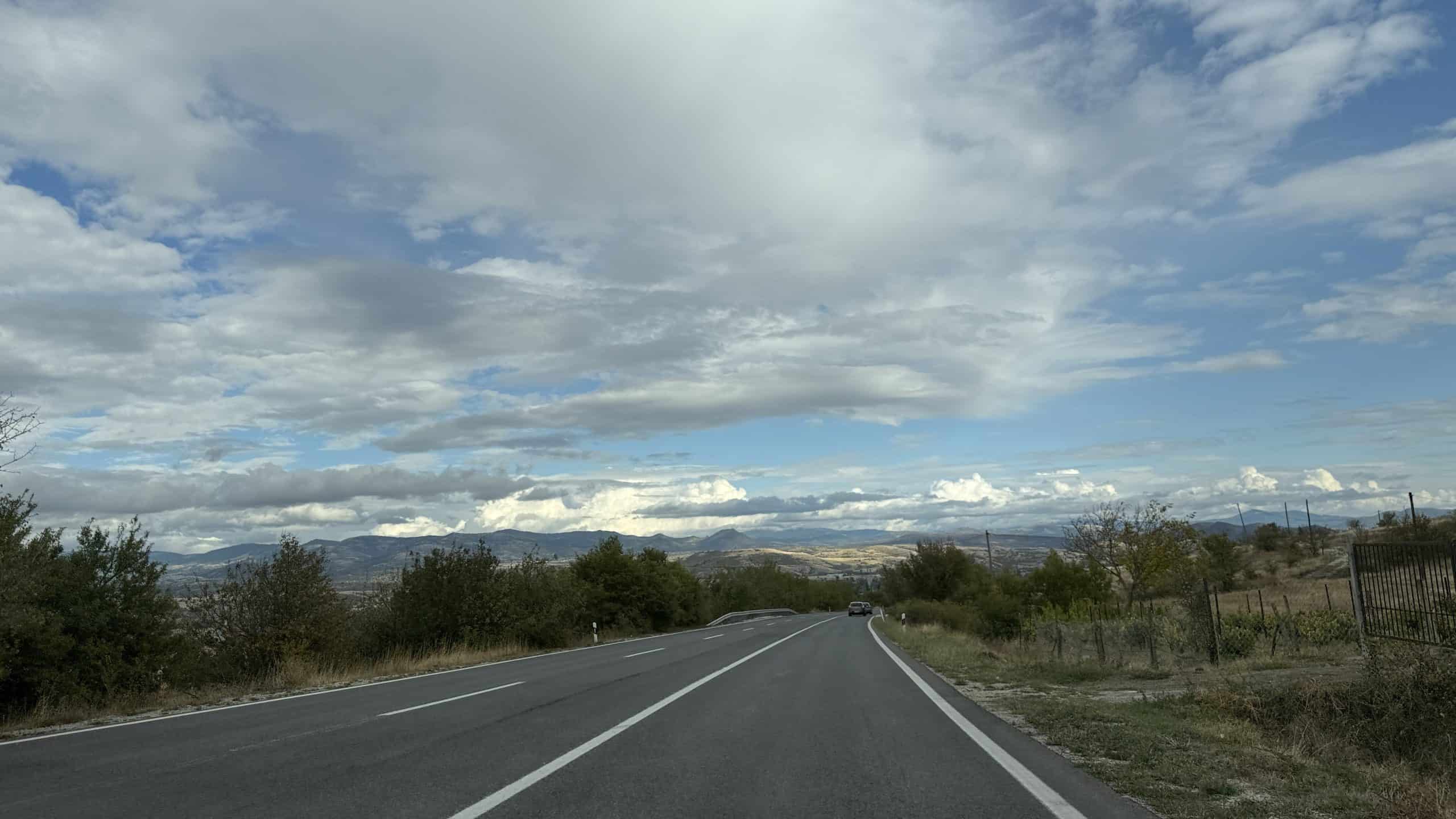
Day 11 — Drive Back to Belgrade, Serbia (Wed, Oct 1): The road toward Belgrade offered time to reflect on how interconnected these countries are—through geography, history, empires, and shared memories. Borders have shifted many times, but the cultural threads remain intertwined.
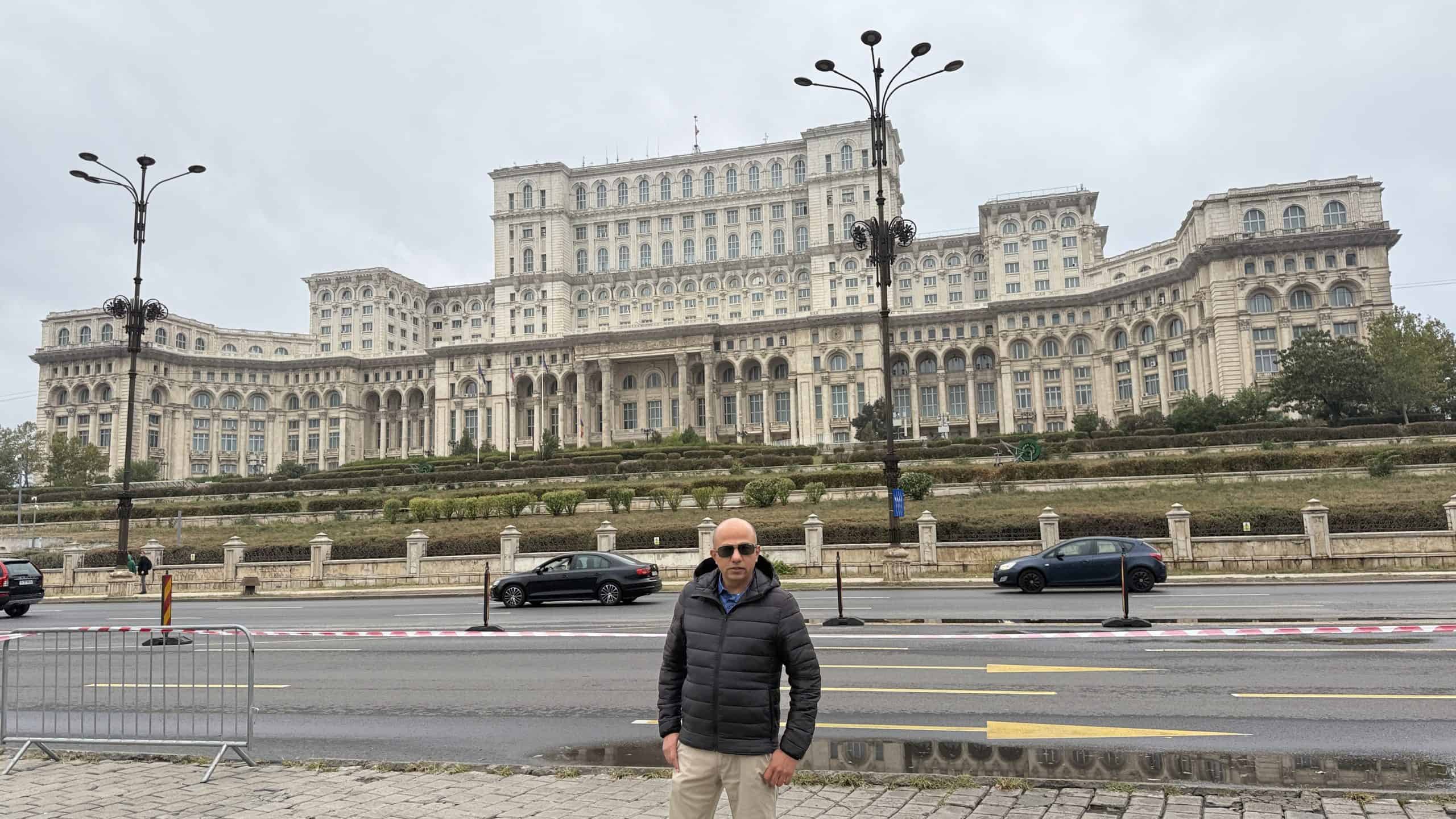
Days 12–14 — Bucharest, Romania (Thu–Sat, Oct 2–4): Romania brings a distinct flavor to the journey. With its Latin heritage tracing back to Roman Dacia, it stands apart from the Slavic Balkans. Bucharest blends Paris-style boulevards, Orthodox traditions, and communist-era landmarks. The monumental Palace of Parliament, built by Nicolae Ceaușescu, leaves a lasting impression—massive, imposing, and historically significant. Romania’s story is one of empires, legends like Dracula, and a strong push toward the European Union.
Day 15 — Return to USA (Sun, Oct 5): As we flew home, the journey felt like more than a road trip—it was a drive across time, through the rise and fall of empires, the resilience of cultures, and the rich diversity of Southeastern Europe. The Balkans remind us that history is not just written in books—it lives in the streets, the mountains, and the spirit of the people.
Tarendra Lakhankar, PhD, PE
Director, Education & Training Pillar, CUNY CREST Institute
Co-Lead, Education Pillar, UNU-Hub, R-SIRUS, CCNY
Center for Earth System Sciences and Remote Sensing Tech (CESSRST)
The City College of New York / CUNY
ST-185, Steinman Hall,
160 Convent Ave, New York, NY 10031
Email: tlakhankar (at) ccny.cuny.edu
Office: 212-650-5815