
Beyond Destinations: Finding Humanity Everywhere (India, Vietnam, Cambodia, and the Philippines)
Some trips are about places, photos, and checklists. This one was about people. Over the last few weeks, I moved across countries and cultures—New York to India, then Vietnam, Cambodia, the Philippines, and back again. It was a fast, full journey with flights, lectures, family time, city tours, and islands. But somewhere between airports and hotel corridors, I noticed something deeper: I wasn’t just traveling through locations, I was traveling through human lives. I met so many people, had so many conversations, and felt something hard to explain—my luck felt unusually strong.
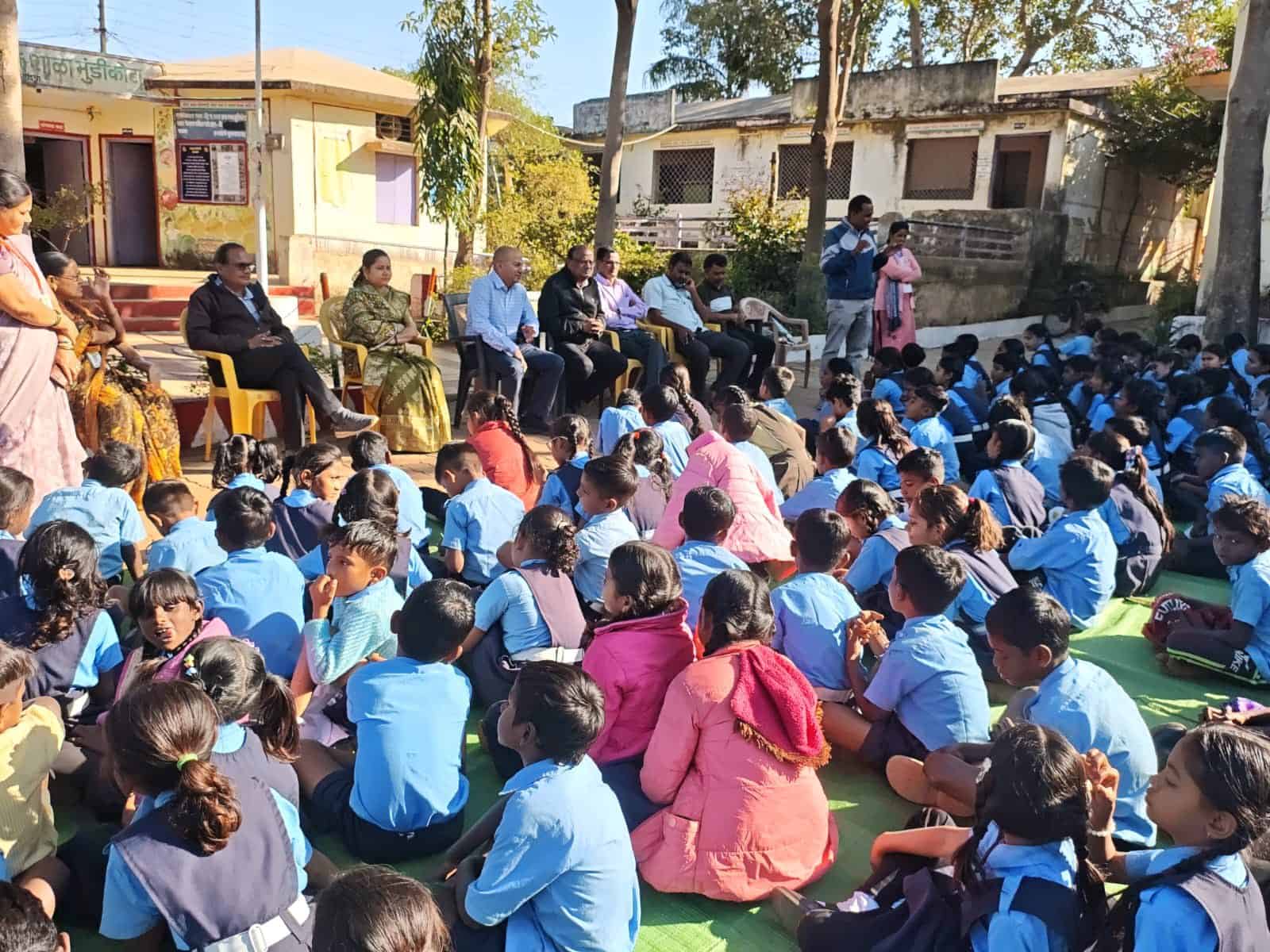
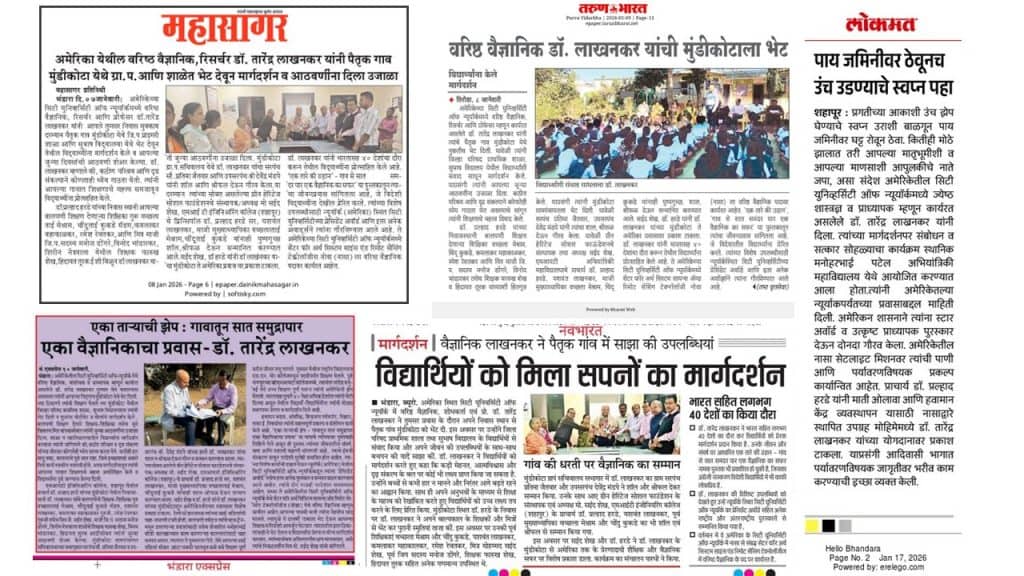
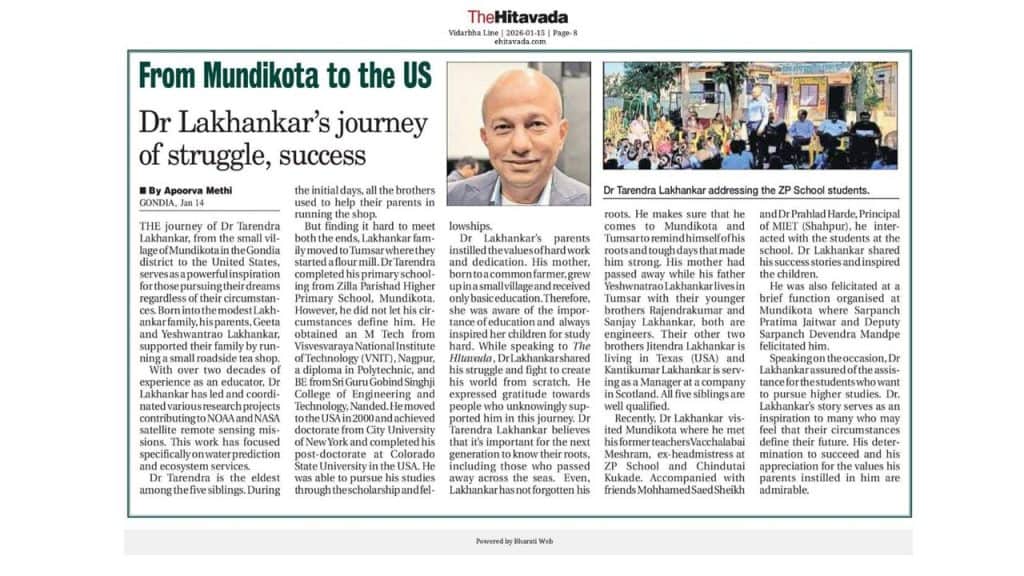
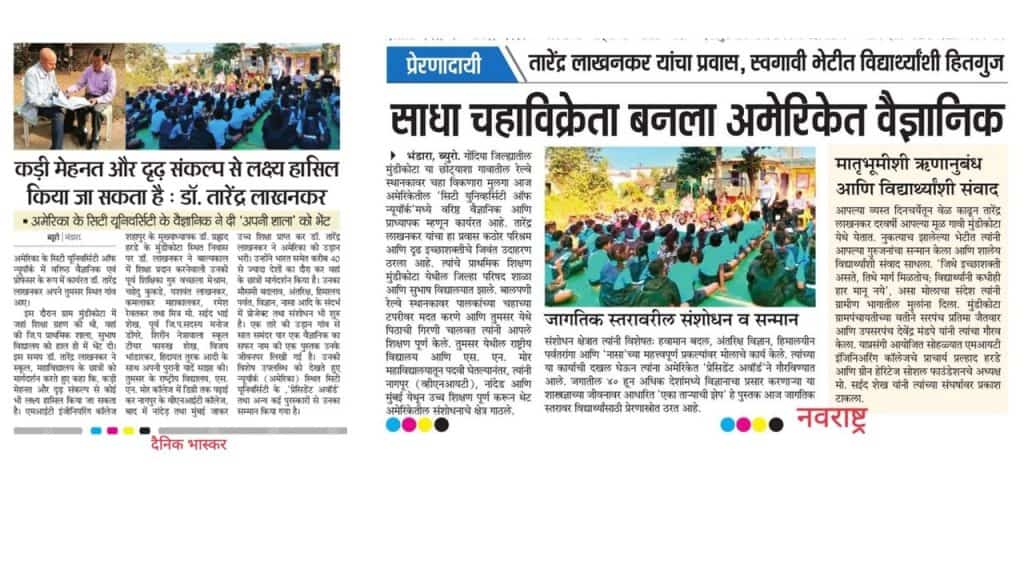
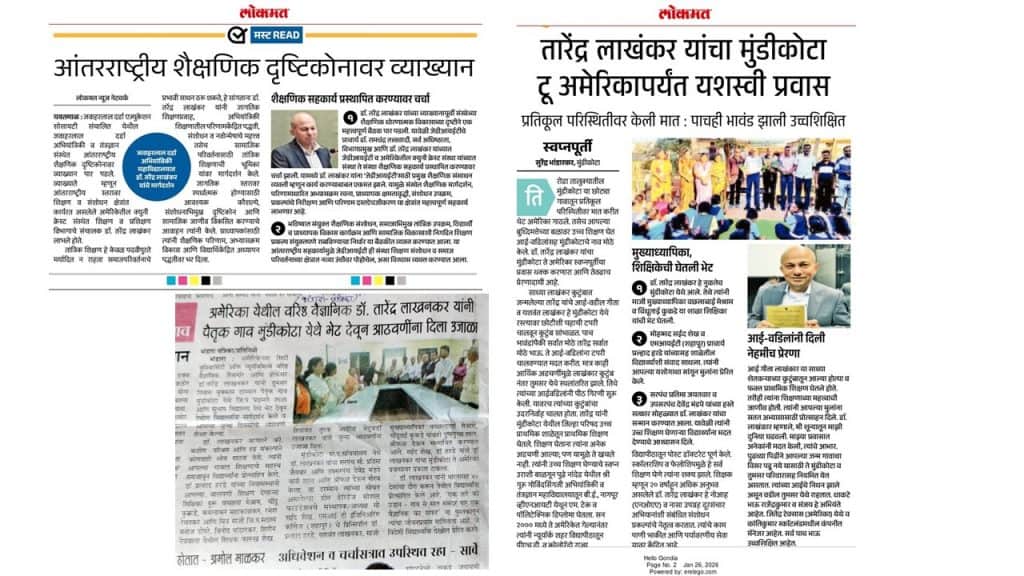
My journey began in India, where I landed and traveled to Nagpur and then to Tumsar. Coming back to that part of the world felt like touching my roots again. It wasn’t just about resting or meeting family—it was about becoming grounded. No matter how far we go, there’s something about home that brings us back to ourselves. During that first week, I also went to my village and met my fellow village friends. I visited my primary school where I studied from grades one to four, and it became one of the most emotional moments of the entire trip. I spoke with the students, motivated them, and tried to show them that dreams are not reserved for the privileged—dreams belong to everyone. Standing there, in the same school where my story began, I felt time collapse.
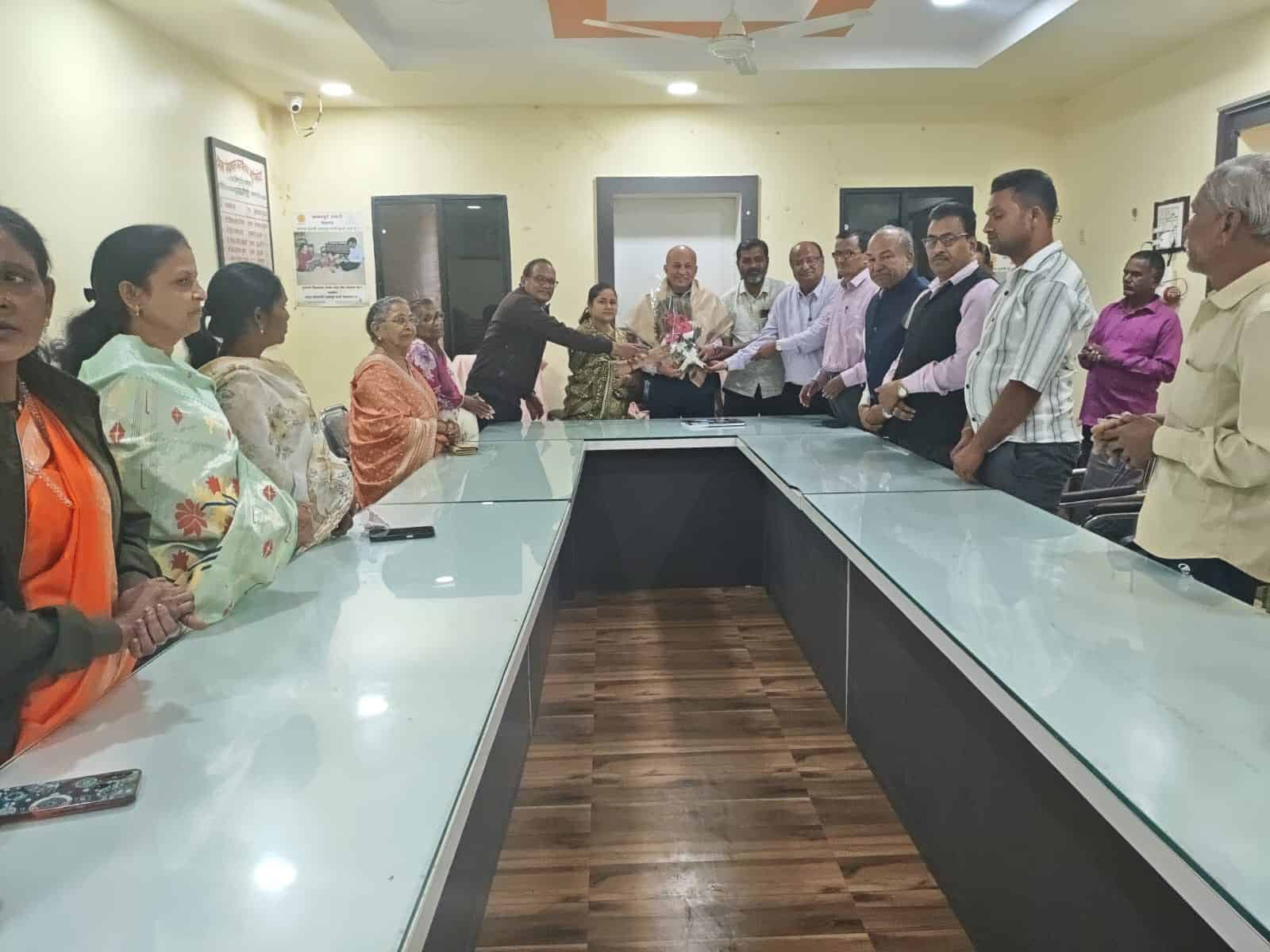
What made it even more powerful was seeing two of my teachers—the ones who taught me in second and fourth grade. They are retired now, but they came to meet me at the school. Meeting them again, in the same classroom environment, was deeply nostalgic. For a few moments, I wasn’t a traveler or a speaker or someone who had achieved things. I was simply that village kid again, learning, listening, and trying to figure life out. I also visited the village panchayat where they felicitated me, and I met childhood friends I hadn’t seen in a long time. There was something pure about those conversations—no status, no performance, no expectations—just memories and human connection.
I also visited another high school in my village where I didn’t study, but which holds a special place in my heart. When I was young, I used to sell tea and snacks to the teachers there, helping my parents in our family shop. Walking into that school again brought back a whole different kind of memory—memories of hard work, small responsibilities, and the quiet determination that poverty teaches you early in life. Those moments reminded me that life doesn’t change in one day; it changes because of thousands of small efforts that nobody claps for.
From there, I went to Yawatmal for a lecture and to meet people. One of the most touching surprises happened there—my engineering college professor came to meet me. Some encounters feel like blessings because they connect different chapters of your life. When a teacher shows up for you, years later, it reminds you that education is not just about subjects; it’s about relationships, mentorship, and the belief that someone had in you before you had it in yourself.
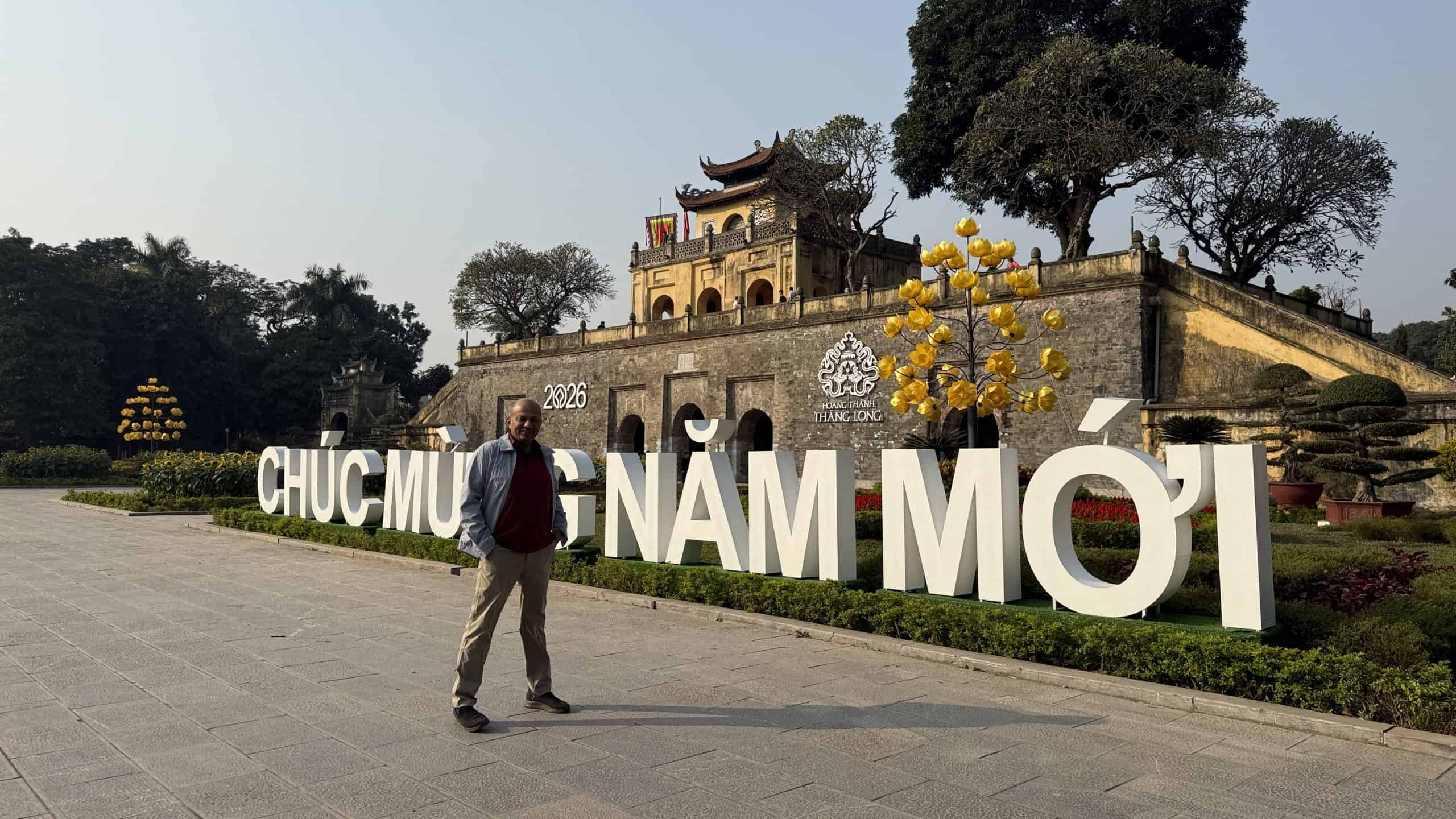
From India, I traveled to Vietnam and spent time exploring Hanoi. Hanoi felt alive in a calm, steady way—the streets full of movement, the food, the daily rhythm, the energy that makes you want to walk without looking at the time. I took a day trip to Ninh Binh, which felt like a place that slows your mind down in the best way. The landscapes were peaceful, the surroundings were refreshing, and it gave me a kind of silence that stays inside even after you leave. Back in Hanoi, I explored more of the city, visited famous spots, and absorbed the everyday beauty of ordinary life. I also experienced Ha Long Bay, and the views were unreal. But even there, what stayed with me most wasn’t just nature, it was the people—the ease of connection, the shared laughter, and how quickly strangers become familiar when your mind is open.
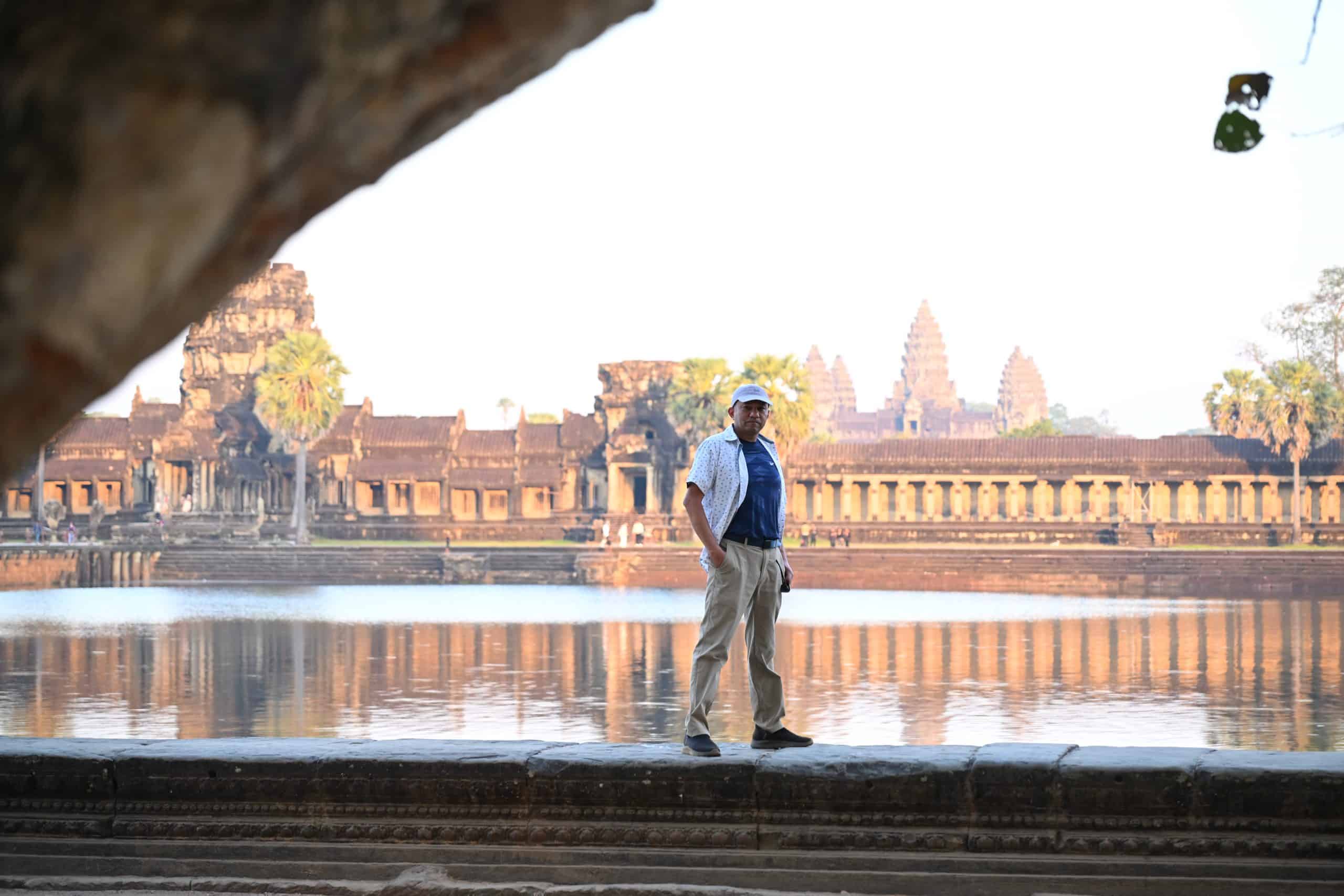
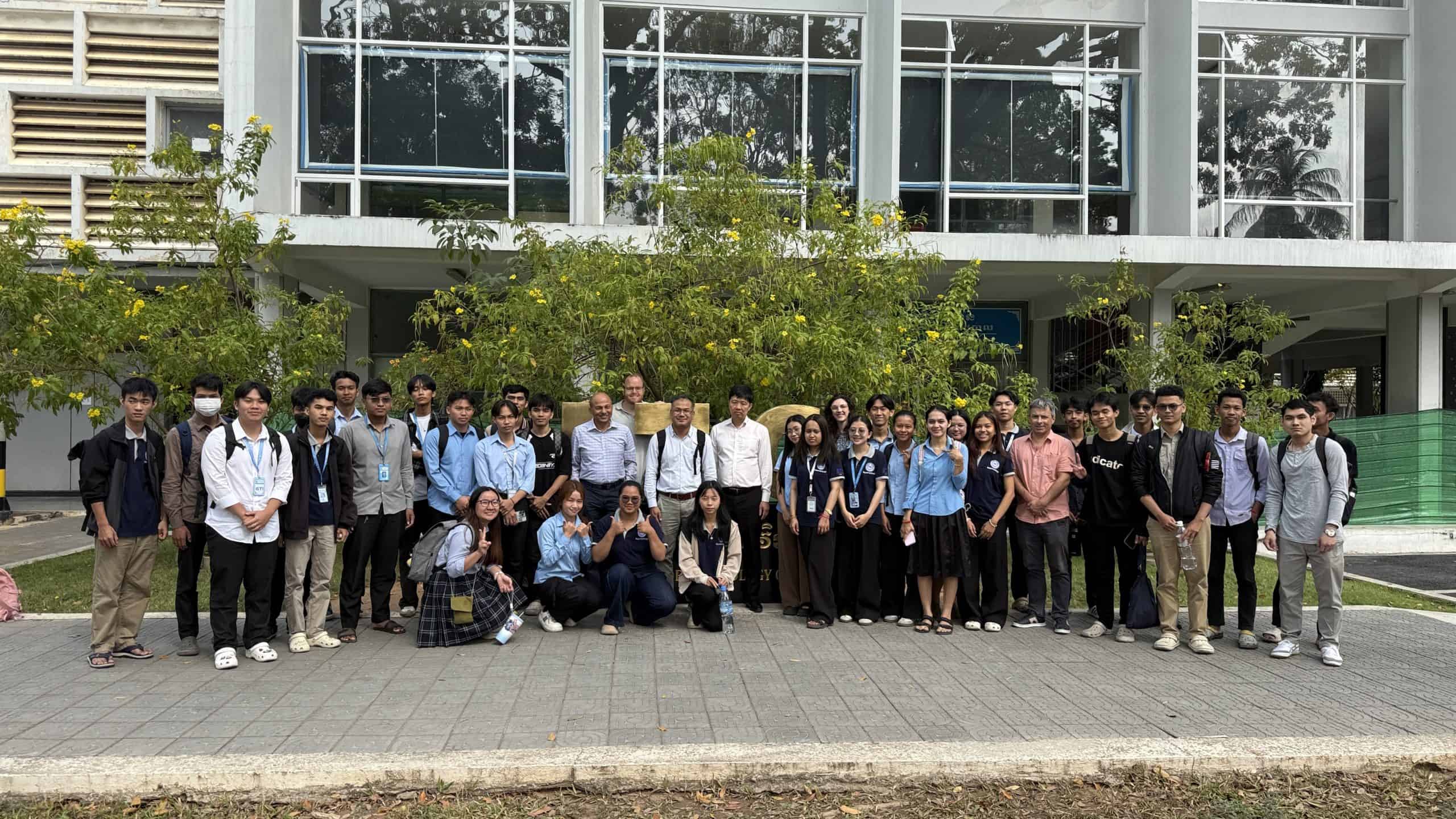
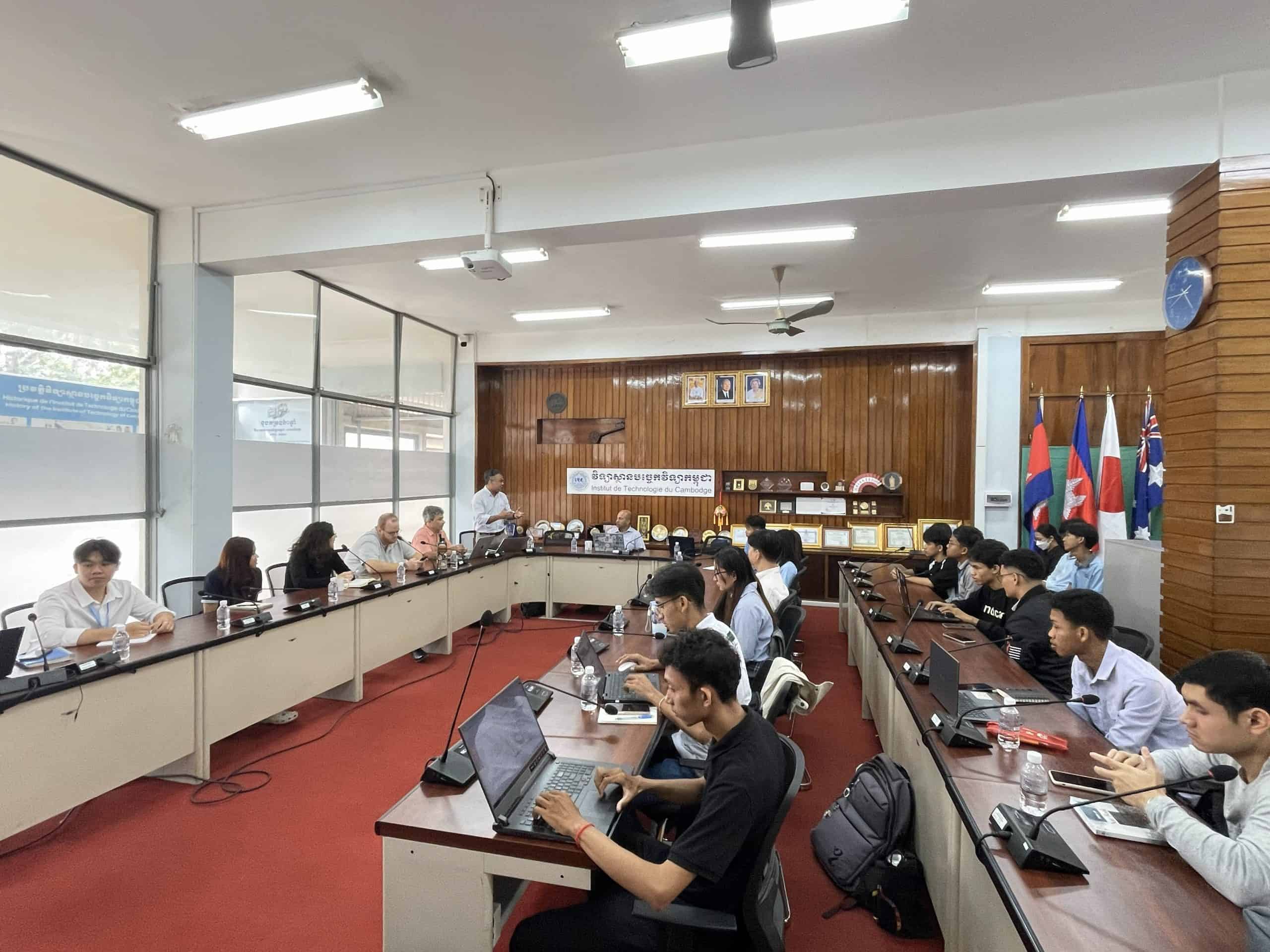
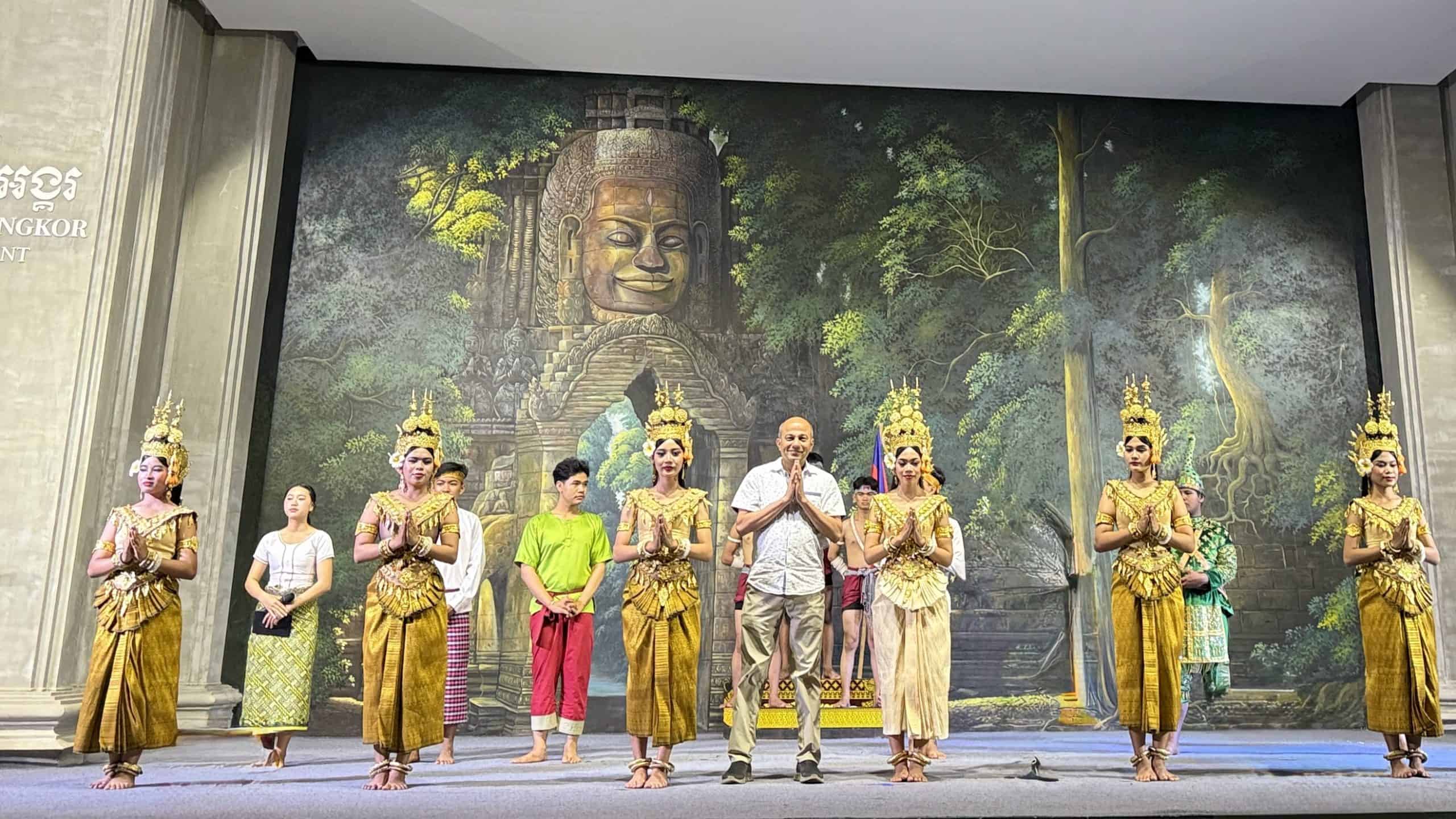
After Vietnam, I went to Cambodia. In Siem Reap, visiting Angkor Wat and other ancient sites was more than sightseeing—it felt like being inside history. These places remind you that humans have always been capable of building something extraordinary, something that outlasts generations. Later, I traveled to Phnom Penh and visited places that showed another side of history—heavy and painful. That experience humbled me. Some places don’t let you stay casual; they force you to reflect on what humans can do, what societies go through, and how fragile peace can be. It made me grateful for the simple stability that many of us forget to appreciate.
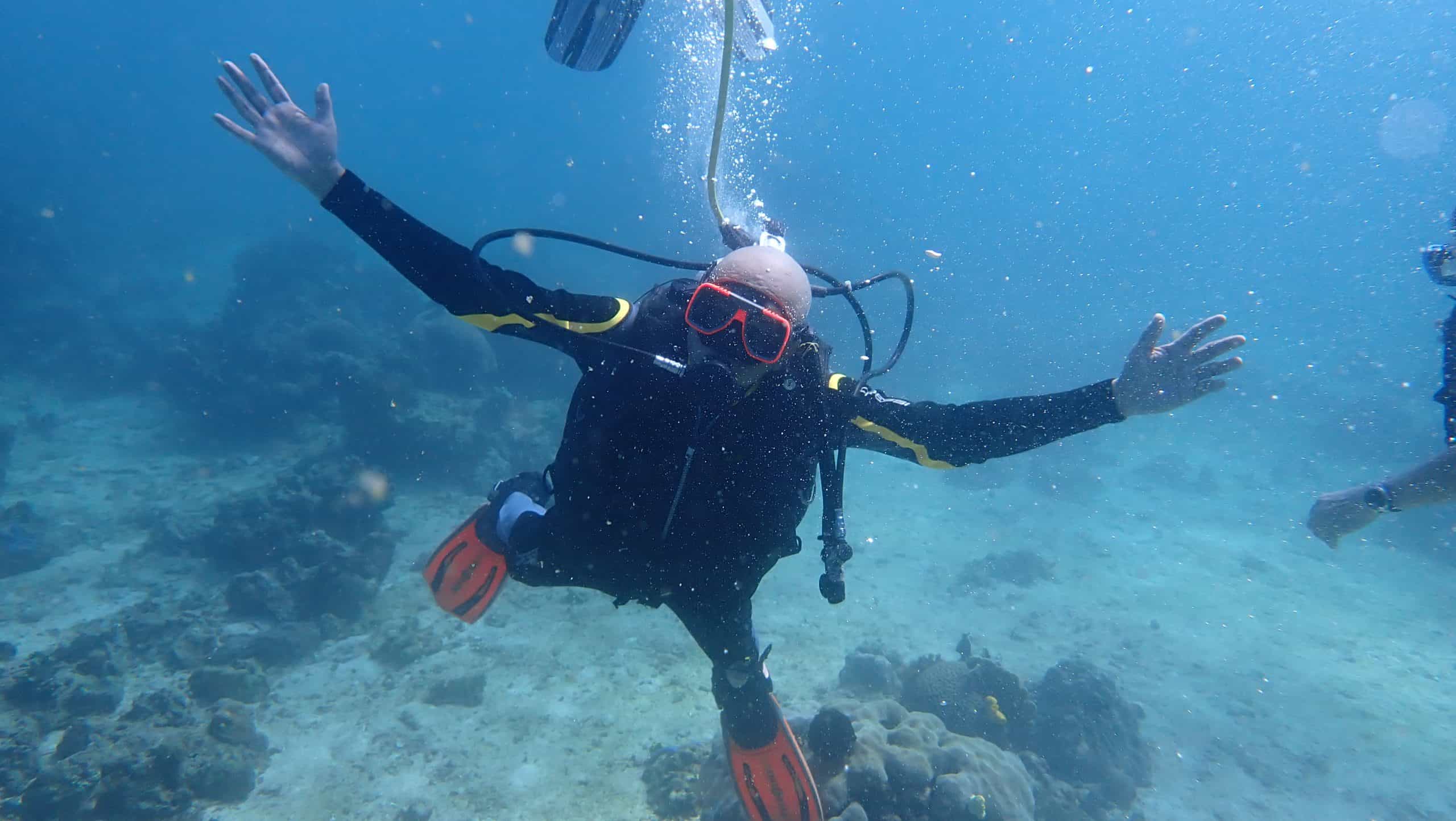
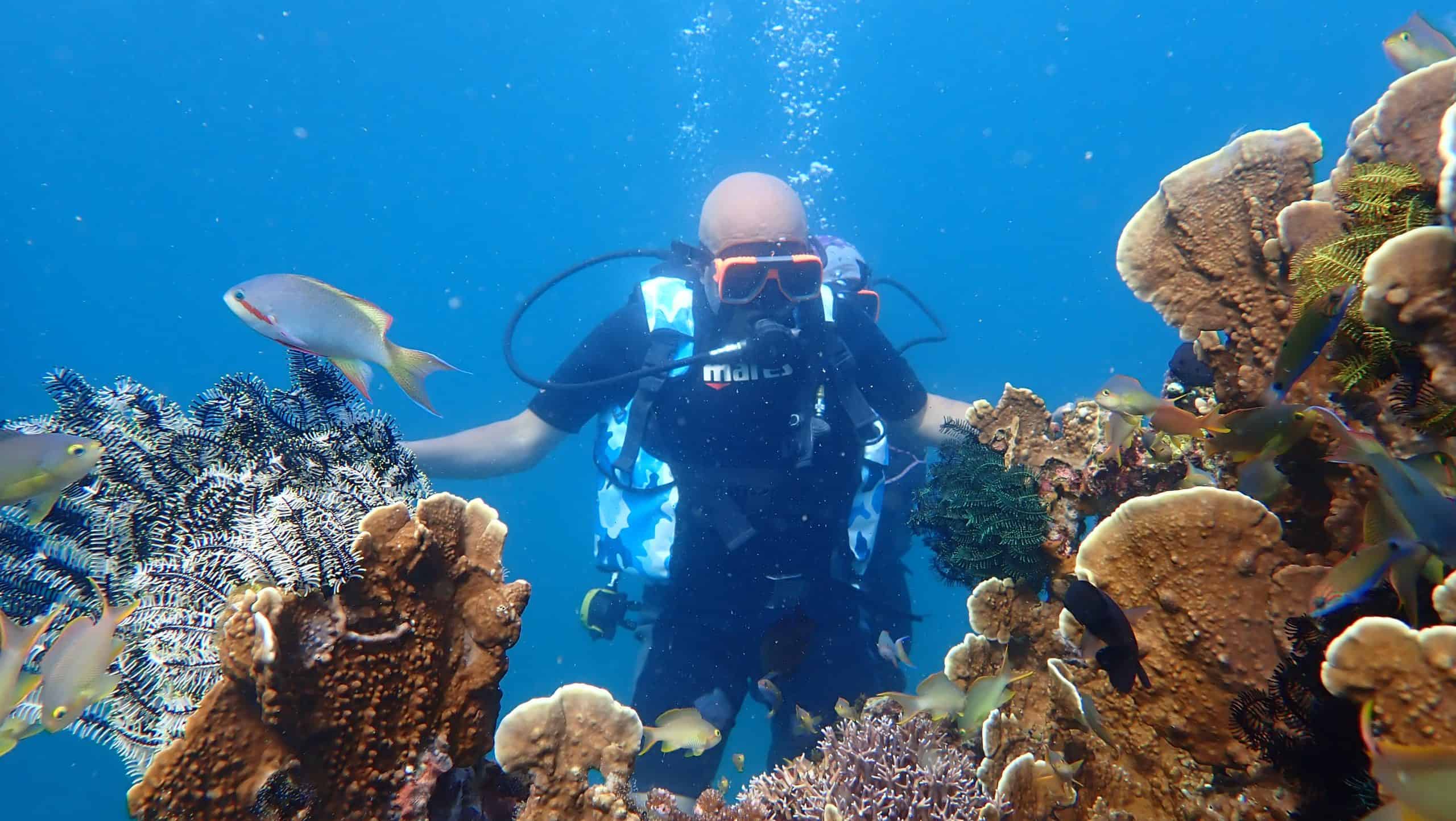
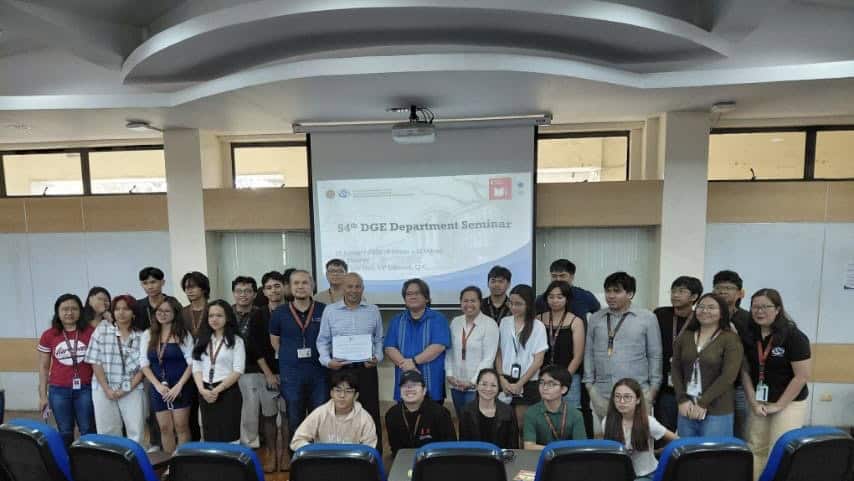
From Cambodia, I flew to the Philippines. Manila brought back city energy, friendships, and work through another lecture, and then I moved toward the sea. Boracay felt like a reset button. Life there was water, wind, and openness. I did island activities, spent time scuba diving and exploring, and felt my nervous system slow down. The ocean does something to the mind—you remember that life is not only deadlines, ambition, and speed. Life is also breath, movement, sunlight, and wonder. After returning to Manila, I also visited Taal Volcano Lake. It felt like a perfect balance between work and exploration, between purpose and play.
Throughout the trip, I kept noticing how many things could have gone wrong but didn’t. Moments that should have been stressful became smooth. Situations that looked difficult became easy. And many times, the help came from people most travelers ignore—drivers, helpers, waiters, hotel staff, local guides, and strangers who had no reason to care, but still cared. They came forward naturally. That’s what made me reflect: was this luck, or was I creating something through the way I was moving through the world?
I’ve always carried one personal rule, and this trip made it even stronger: treat people with respect, no matter their role. Not because it makes me look good. Not because I want something in return. But because I genuinely believe a human is a human before they are a job title. I listened to people. I thanked them. I noticed them. I treated them as equals. And I think that changed everything. When you make people feel seen, they feel safe. When people feel safe, they help. And that help becomes the kind of “luck” you can’t plan.
I’ve started believing that some luck isn’t superstition—it’s social luck, human luck. Travel runs on invisible networks. Locals know shortcuts. Staff know solutions. Drivers know who can fix problems quickly. But those networks don’t open up for someone who treats humans like tools. They open up for someone who treats humans like humans. Maybe what I experienced wasn’t magic. Maybe it was a chain reaction—kindness creates trust, trust creates support, support creates opportunities, and those opportunities look like luck.
This matters even more to me because of where I come from. I’ve achieved a lot compared to my starting point. I come from a poor background, from a village, and I carry insecurities that don’t completely disappear even when life improves. That’s exactly why I travel like this and connect like this. I don’t want to only collect destinations. I want to collect understanding. I want to know what people are dealing with, how they carry their struggles, what keeps them going. Because the more you achieve, the easier it becomes to float above people. And I don’t want that. I want to stay rooted. I want to stay close to the ground. I want to feel human around humans.
If I’m taking anything back from this journey, it’s this: a good life isn’t only money, status, or achievement. It’s peace, connection, gratitude, and humility. The world becomes smaller when you realize everyone is carrying something. And real luck often comes through people. When you respect the “ordinary” people of the world, you realize they aren’t ordinary at all. They are life itself, quietly holding the world together. Somewhere between home, new countries, old histories, and wide oceans, I didn’t just travel—I remembered what matters. And I’m grateful for that.
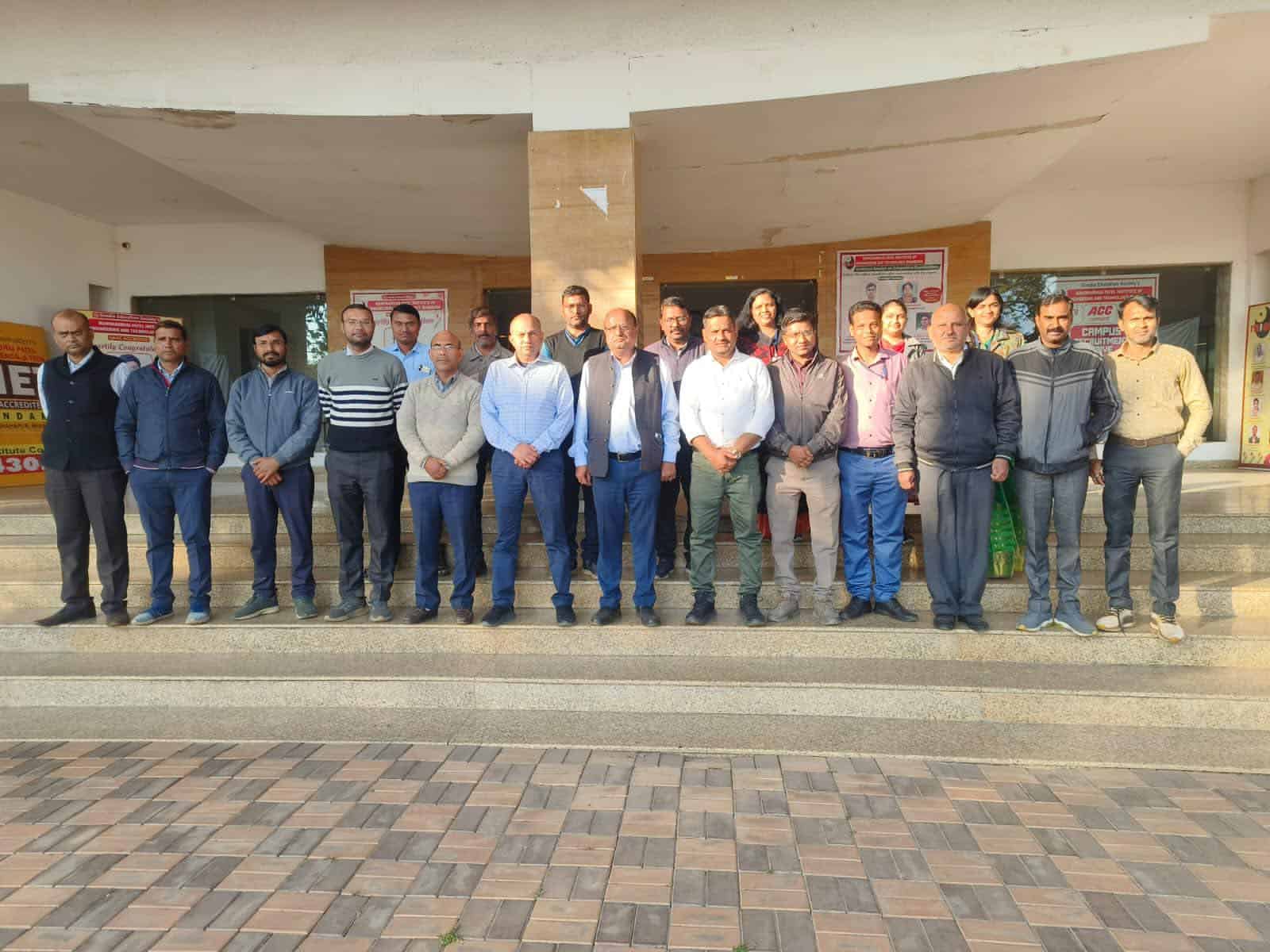
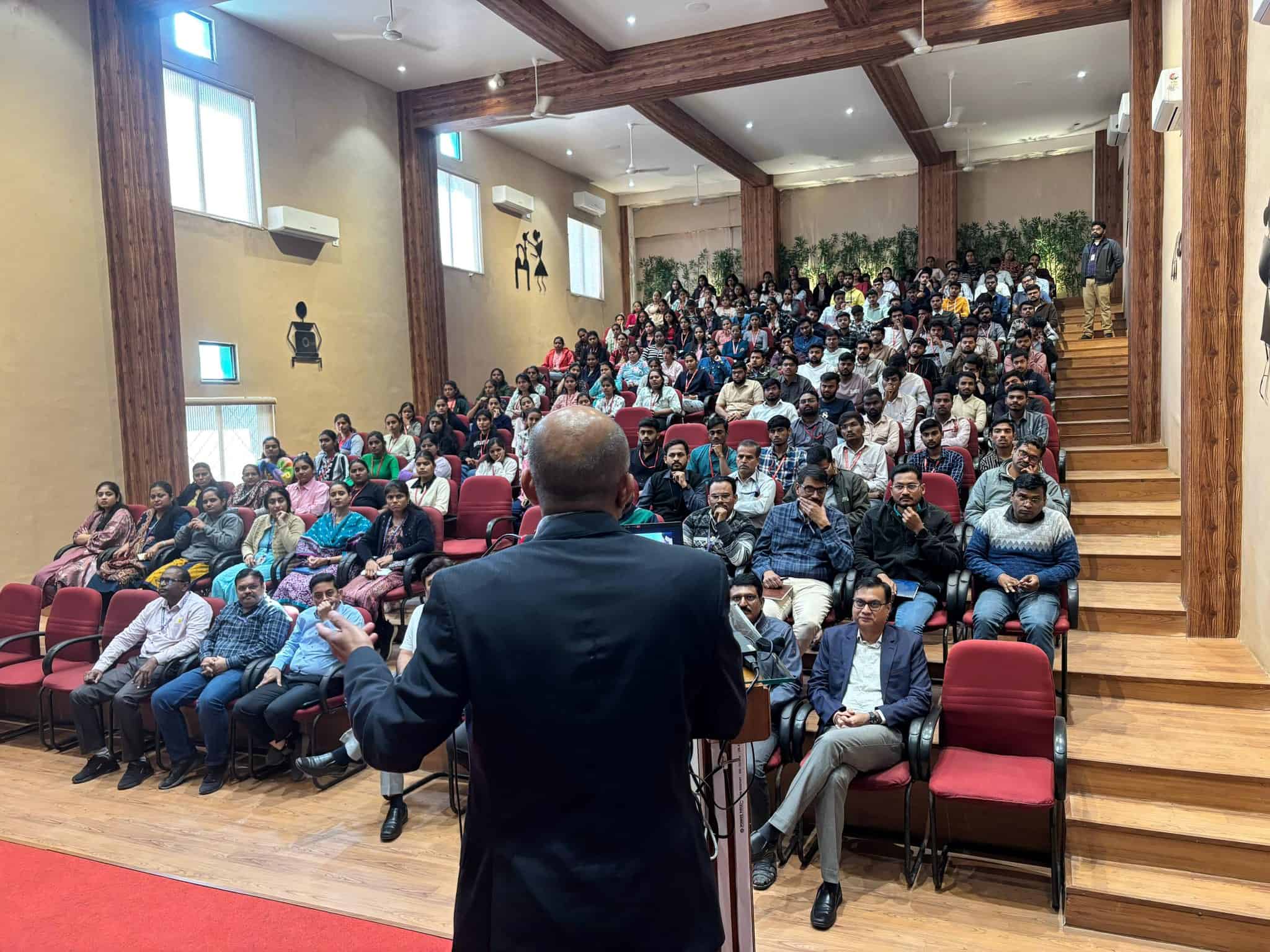
Some local media coverage for my visit to India in Jan 2026
Tarendra Lakhankar, PhD, PE
Director, Education & Training Pillar, CUNY CREST Institute
Co-Lead, Education Pillar, UNU-Hub, R-SIRUS, CCNY
Center for Earth System Sciences and Remote Sensing Tech (CESSRST)
The City College of New York / CUNY
ST-185, Steinman Hall,
160 Convent Ave, New York, NY 10031
Email: tlakhankar (at) ccny.cuny.edu
Office: 212-650-5815